

Don’t miss the final weeks of “Gisela McDaniel: Inina,” the artist’s first solo museum exhibition in the United States, on view at the Ogunquit Museum of American Art through Nov. 16, 2025.
Named one of Art Mag’s 30 Most Influential Artists Under 30 in 2025, Gisela McDaniel is a diasporic, Indigenous Chamoru artist who takes an affirmational approach to portraiture. Focusing on the individuality of her “subject-collaborators” — a term she uses for the individuals in her paintings, often women and non-binary people of color — McDaniel works to transform experiences and histories of trauma by creating space for healing and self-care through conversation and relationship building.
McDaniel’s sitters range from friends and family to people and activists she meets through community, social media, and word-of-mouth. Her subject-collaborators are empowered to choose how they are depicted and invited to share personal belongings that are incorporated into their vibrant, three-dimensional portraits. The artist also gives agency to each sitter’s voice, incorporating recordings of conversations had during the painting process into the portraits themselves. A Chamoru word, Inina translates to “glimmer of light.” McDaniel’s canvases glow with her collaborators’ dreams, traumas, healing, and joy.
At the heart of the exhibition is McDaniel’s work with the CHamoru community and diaspora of Guåhan (Guam), her maternal homeland. Through portraits of relatives, activists, healers, and friends, she foregrounds Indigenous stories, identities, and values that have long been silenced in Western representations of Pasifika peoples. Her work directly confronts the legacy of that erasure, making visible and audible their full being.
McDaniel, with her collaborators, also explores the complicated relationship between Guam and the United States. The island became a U.S. territory following the invasion in 1898 — just weeks before the first art school opened in Ogunquit. Guam has since been made a space of intense militarization because of its location in the North Pacific.
Framing this body of work is a survey of McDaniel’s portraits of subject-collaborators from Detroit, Los Angeles, and New York—all spaces where she has lived and worked. From early projects giving voice to survivors in the Detroit area to more recent explorations of people’s histories of migration in New York, these paintings spanning roughly the last half-decade reflect the self-made community McDaniel has built through her practice.
The exhibition runs through Nov. 16 at the Ogunquit Museum of American Art, 543 Shore Road, Ogunquit. Learn more at ogunquitmuseum.org.
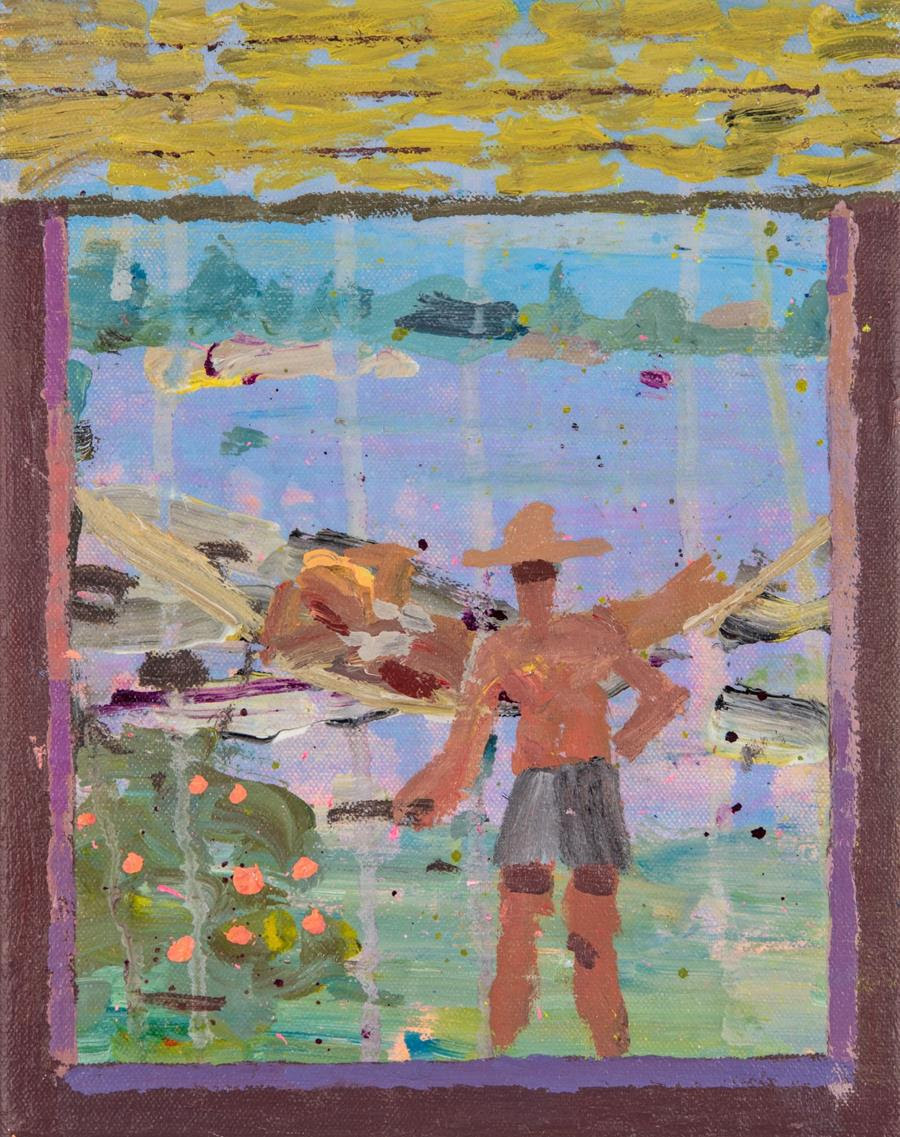
Dowling Walsh Gallery in Rockland is featuring “IDK,” an exhibition of paintings by Tollef Runquist that explores the intersection of personal reflection, archetypes, fantasy and play. Runquist’s paintings combine images and symbols drawn from lived experience, emotional landscapes and cultural influences, creating an intuitive dialogue between imagery and meaning. “My work explores a space where […]
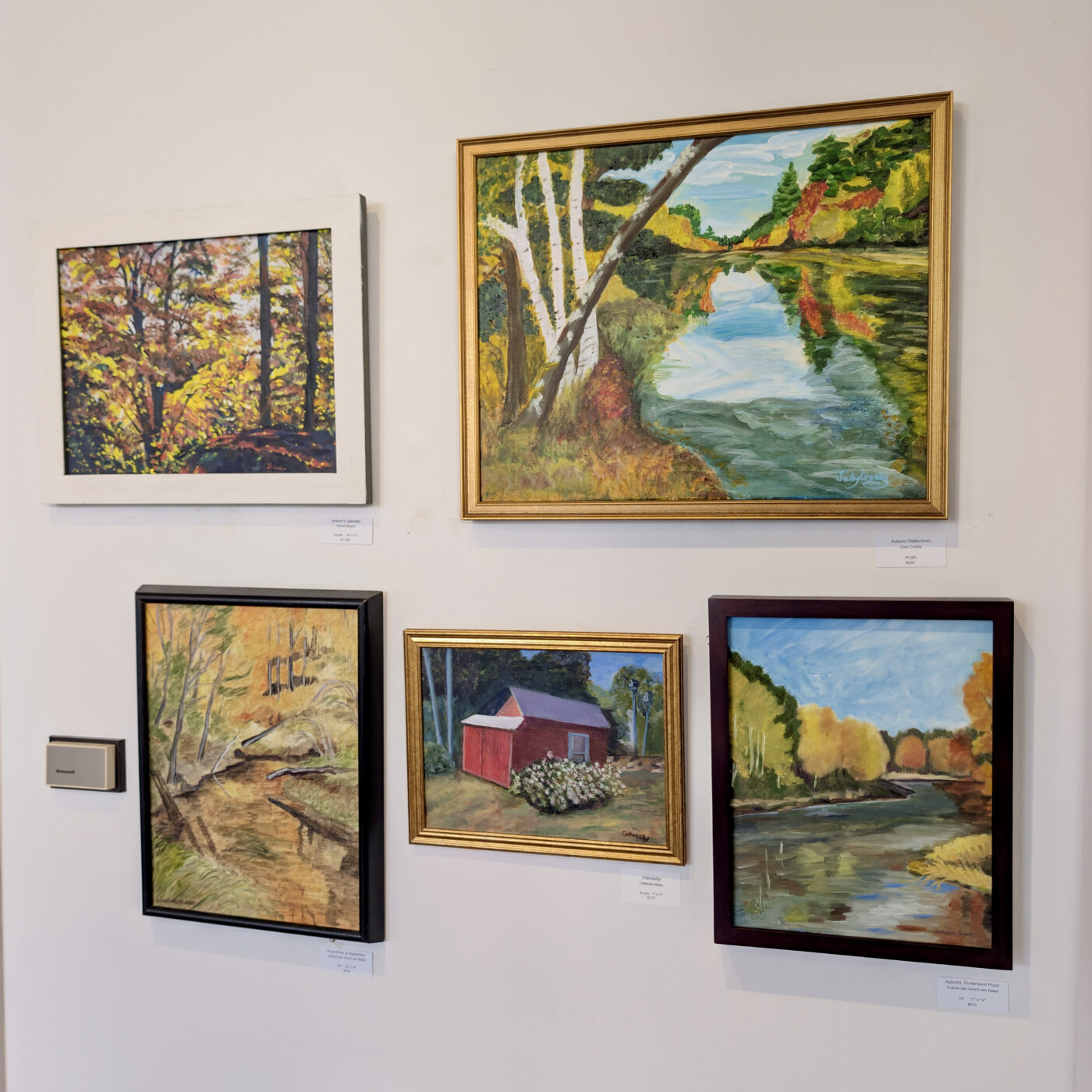
Meetinghouse Arts in Freeport is presenting a full schedule of fall exhibitions and performances, including a members show, a collaborative exhibition by longtime artist friends Tim Sample and Linda Rowell-Kelley and several concerts. The gallery’s fall members exhibition, “Nature’s Palette: Art Inspired by the Season,” will remain on view through Oct. 18. Featuring paintings, drawings, […]
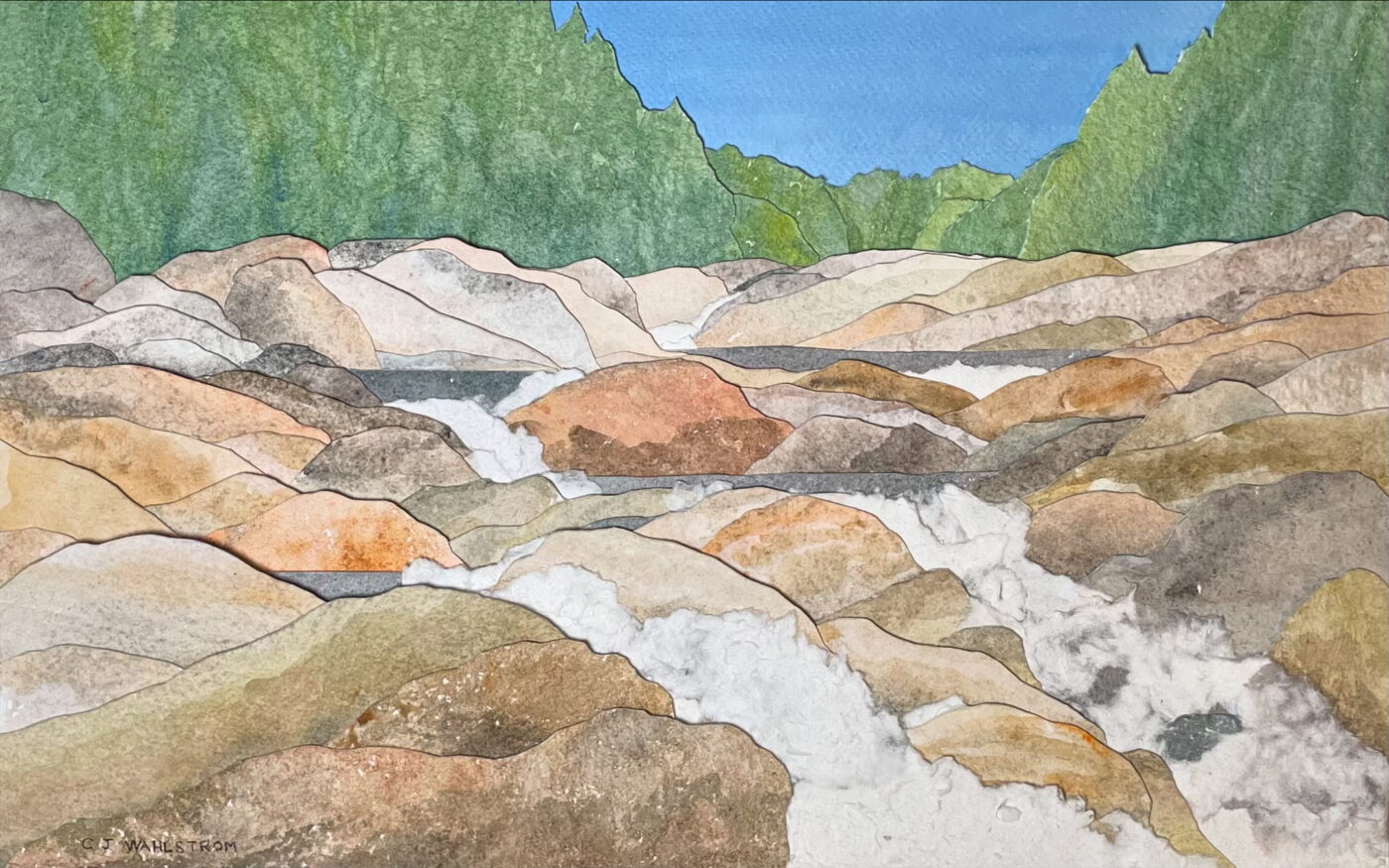
Local Color Gallery in Belfast will feature printmaker, collage artist and sculptor Jeff Wahlstrom from Oct. 19 to Nov. 22. An Art Walk reception will be held from 4 to 7 p.m. Oct. 23, with an artist talk at 5 p.m. Based in Bangor, Wahlstrom creates block prints and watercolor collages inspired by the natural […]
Women Eco Artists Dialog (WEAD), based in Berkeley, California, is accepting submissions for its 2027 members exhibition, “Prototyping Futures of Making: Water, Data, and Living Systems.” The exhibition will explore the relationships among water, data, ecological systems and emerging technologies, asking how artists can engage with living systems as sites of collaboration, construction and consequence. […]
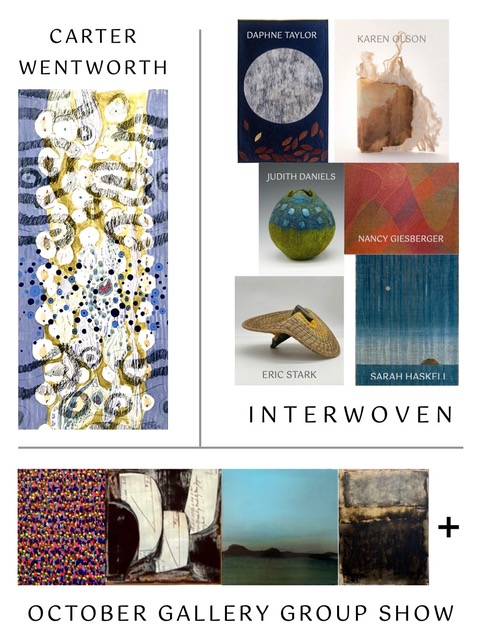
Triangle Gallery in Rockland is presenting three exhibitions through Oct. 31, including an extended solo exhibition by Carter Wentworth, a group fiber arts show and a fall exhibition of work by gallery artists. Wentworth’s “Sound of Rain Crossing the Lake” will remain on view in the upstairs gallery through the end of October. “Interwoven,” a […]
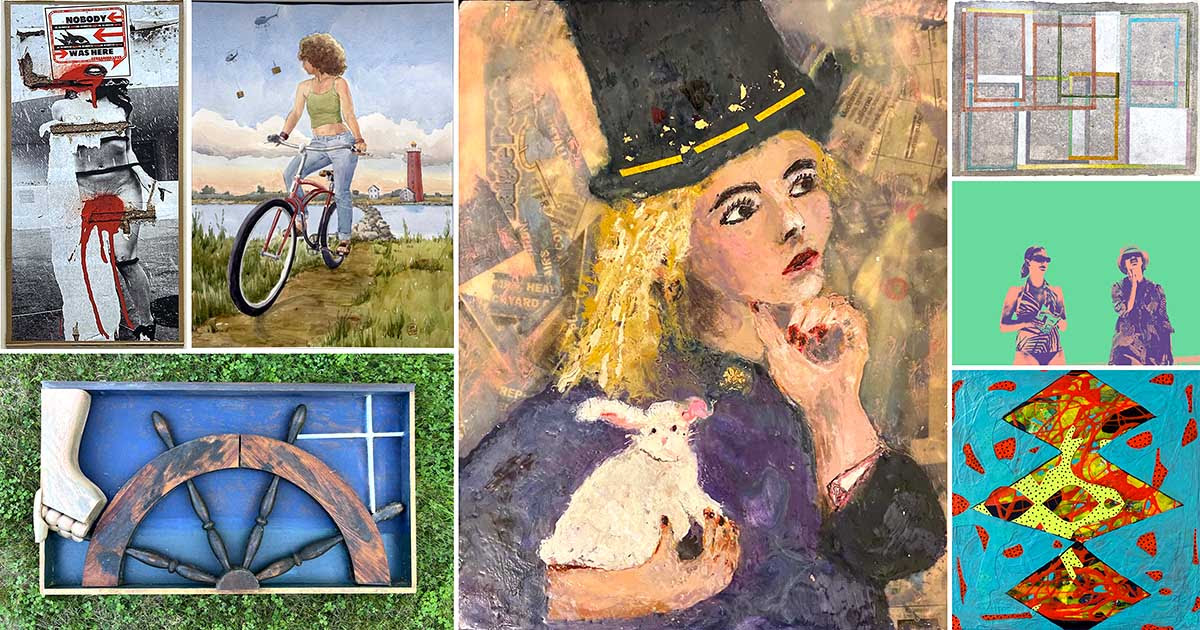
Waterfall Arts in Belfast will present “Found in Translation,” a mixed-media exhibition featuring Maine artists Deborah Jellison, JoAnne Houlsen and John LeBlanc, from Oct. 23 to Nov. 28. An opening reception will be held from 5 to 7 p.m. Oct. 23. The exhibition brings together three artist friends whose work explores familiar Maine landscapes, objects […]
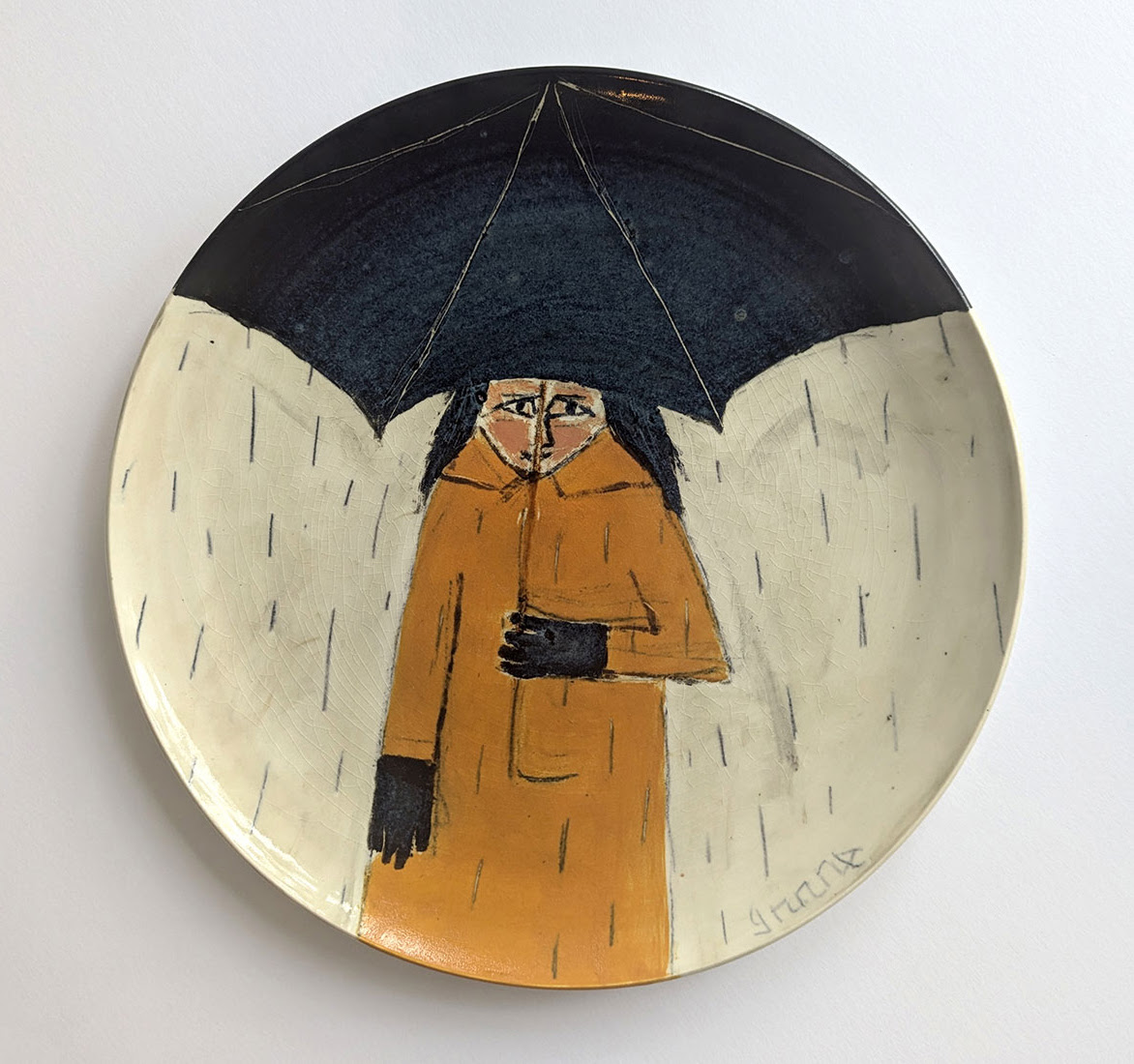
Courthouse Gallery Fine Art in Ellsworth is presenting “Form Meets Surface,” an exhibition highlighting porcelain ceramics by potter Mark Bell and collaborative works created with painter William Irvine. The artists, both established in their respective fields, have worked together since 2015 to create porcelain vases and plates that combine Bell’s ceramic forms with Irvine’s painted […]
Barn Gallery in Ogunquit concluded its 2026 exhibition season Oct. 12, but the venue will continue to welcome visitors for two performances in the 19th annual Elizabeth Dunaway Burnham Piano Festival. Pianist, composer and vocalist Zahili Zamora will return to Ogunquit with her Afro Cuban Jazz Trio for a performance from 7:30 to 9:30 p.m. […]
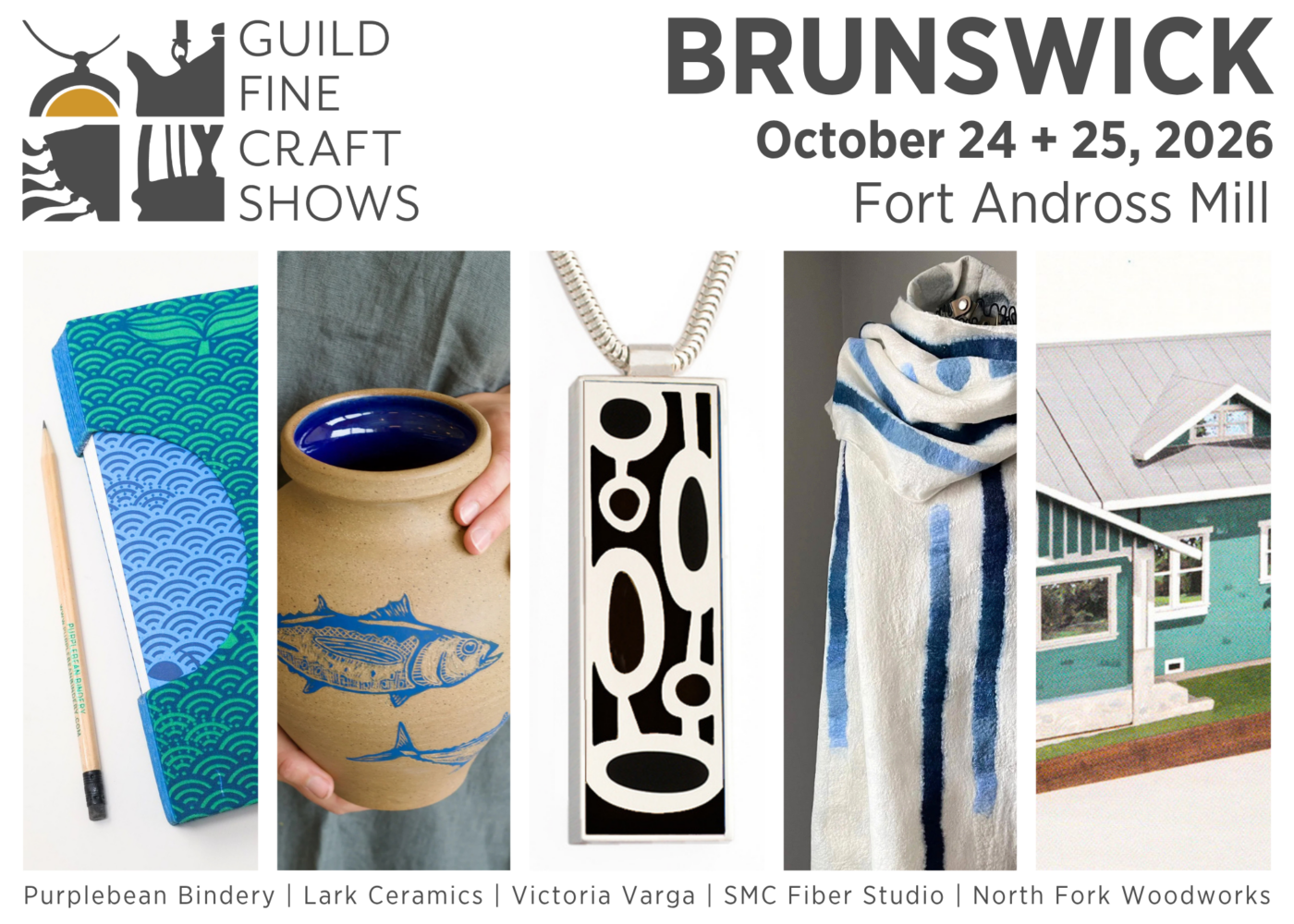
The Brunswick Guild Fine Craft Show will return to the historic Fort Andross Mill in Brunswick on Oct. 24 and 25, celebrating its 10th season with work by 40 juried Maine craft artists. Presented by Shop Maine Craft, the indoor show will feature basketry, ceramics, decorative and wearable fiber art, furniture, glass, jewelry, mixed media, […]

Receive news and information about Maine artists and events delivered right to your inbox.