
Opening reception Thursday July 5th, 5-7pm
Poetry Reading by Robert Gibbons, July 19, 5:45pm
David Driskell in conversation with Daniel Minter, moderated by African Art Historian, Henry Drewal, July 26
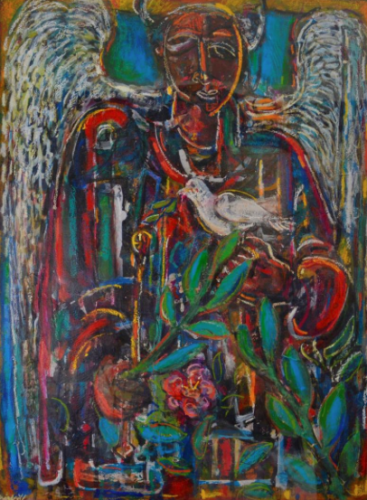
Assemblage is newly elected Fellow of the American Academy of Arts & Sciences David Driskell’s latest solo exhibition at Greenhut. As the title suggests, this exhibition assembles a variety of new and select earlier works in various media created over the past three decades. Among the new works are five mixed media pieces featured in the PMA’s 2018 Biennial as well as a selection of prints from the 2017 CMCA exhibition, David Driskell, Renewal and Form (which also traveled to the Academy Art Museum in Easton, Maryland). The earlier work, which dates back to 1986, has never before been shown in Maine. As Driskell describes the show: “from a limited edition color lithograph done in 1986 entitled Spirits Watching II to Girl with Sunflowers, a recent collage that was exhibited in the Portland Museum of Art Biennial, these works reveal the range of my interest in subjects drawn from nature, music and aspects of African and African-American culture.”
Driskell’s large and vibrant body of work is informed and impacted by the broad perspective of his own life experience as well as by his unique personal identity. He is the child of sharecroppers, born into the segregated South. But he is also a celebrated international artist and scholar. He is both an urbane denizen of our nation’s capital and a sophisticated world traveler with a deep connection to, and understanding of, the art of Africa and other world cultures. But just as importantly, he is the designer, creator, and loving tender of his own rather Edenic Falmouth, Maine gardens. Driskell — an artist very much concerned with the artist’s quasi-religious role as a “seer” and forthbringer of new forms — creates vivid, imaginative art that is equal parts Americana and Africana in his hand-hewn rural idyll, which is itself a form brought forth from Driskell’s rich, fertile, and prolific imagination.
David cites the strongest influences on his work as: 1) Environment — the natural world, but also “home,” both as a physical space and as a concept. The artist sees a type of “spirit” in the objects he depicts, and the spirit that animates these mundane subjects (furniture, etc.) becomes visible in his finished work); 2) Upbringing – David’s father was a Baptist minister, and many of Driskell’s works are highly stylized, uniquely personal expressions of Biblical themes, or contain motifs from the Judeo-Christian tradition; 3) “My intellectual pursuit of learning from the great civilizations of the world” – we see evidence of this influence through his incorporation of elements of Africana (masks, textile motifs, etc.) and other world cultures (including American, via spirituals, gospel, jazz and blues); and 4) Memory and Imagination.
In Driskell’s work, all of these source energies converge to form a voice complementary to, but unique and distinct from, other important African-American artists of the past and the present. Signatures of his style include rich, vivid color, rhythm, and line (as pictoral element), recurring motifs, and a spirit of constant invention and re-invention. Much of David’s work contains strong decorative elements: calligraphy, African textile motifs, the patterned imagery of folk art, etc., but Driskell never replicates existing patterns. In viewing his work, we see that David has created his own individualized, and fascinating, aesthetic language.
The work selected for Assemblage contains a sampling of all the themes mentioned above (nature, upbringing, world culture, music, memory and imagination), and also includes one fascinating and unusual piece, The Pet, Birmingham Dog, representative of David’s infrequent forays into overtly political subject matter (another of which, Behold Thy Son, is included in the permanent collection of the National Museum of African American History):
The collage Dizzy recounts visually the facial expression I recall seeing as the famous musician played the trumpet. In Ancient Call, a hand points to a stained glass window and an Egyptian statue sounding a mystical religious connection through time. Angels often appear in my work as peacemakers and musicians inviting joy, harmonious living and love. I am equally intrigued by the quiet nature of our favorite pet, the dog, and how these loving animals can be trained to become vicious attackers of people as happened in Birmingham, Alabama under Bull Connor in the 1960s. In The Pet, Birmingham Dog, I have used steel as a collaged material in the composition to emphasize Connor’s strong opposition to the Civil Rights Movement.
Assemblage is, as David puts it, “a chorus of painterly themes that remain a vital part of my visual pursuit.”
Highly regarded as an artist, scholar and curator, David Driskell is one of the world’s leading authorities on African-American Art. He has been the recipient of thirteen honorary doctorates and has contributed significantly to scholarship in the history of art on the role of Black artists in America. Born in 1931 in Eatonton, Georgia, he was educated at Howard University and received a Master of Fine Arts from The Catholic University Of America. In 1953 he attended the Skowhegan School of Painting and Sculpture in Maine. He became a summer resident of Maine in 1961. In 1976, he curated the Los Angeles County Museum of Art’s groundbreaking exhibition, Two Centuries of Black American Art, and wrote the catalog, which became the seminal text of the canon. He currently holds the title of Distinguished University Professor of Art, Emeritus, at the University of Maryland, College Park. In 1997, Driskell was awarded the President’s Medal, the highest honor the University of Maryland bestows on a member of its faculty. In 1998, the David C. Driskell Center for the Study of Visual Arts and Culture of African Americans and the African Diaspora was founded to promote his scholarship and service to the University. He has served as an adviser to high profile collectors, including Oprah Winfrey and Bill and Hillary Clinton. In December of 2000, President Bill Clinton bestowed the National Humanities Medal on Driskell. This April, Driskell was elected to the American Academy of Arts & Sciences.
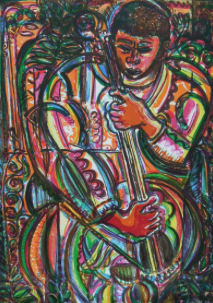
David Driskell’s paintings and prints have been featured in numerous solo and group exhibitions in galleries and museums throughout the USA, and are housed in many important private and public collections, including the National Museum of African American History & Culture, the National Gallery of Art, Whitney Museum of American Art, and the Portland Museum of Art. He has been the recipient of several foundation fellowships among which are the Harmon Foundation, three Rockefeller Foundation Fellowships and the Danforth Foundation.
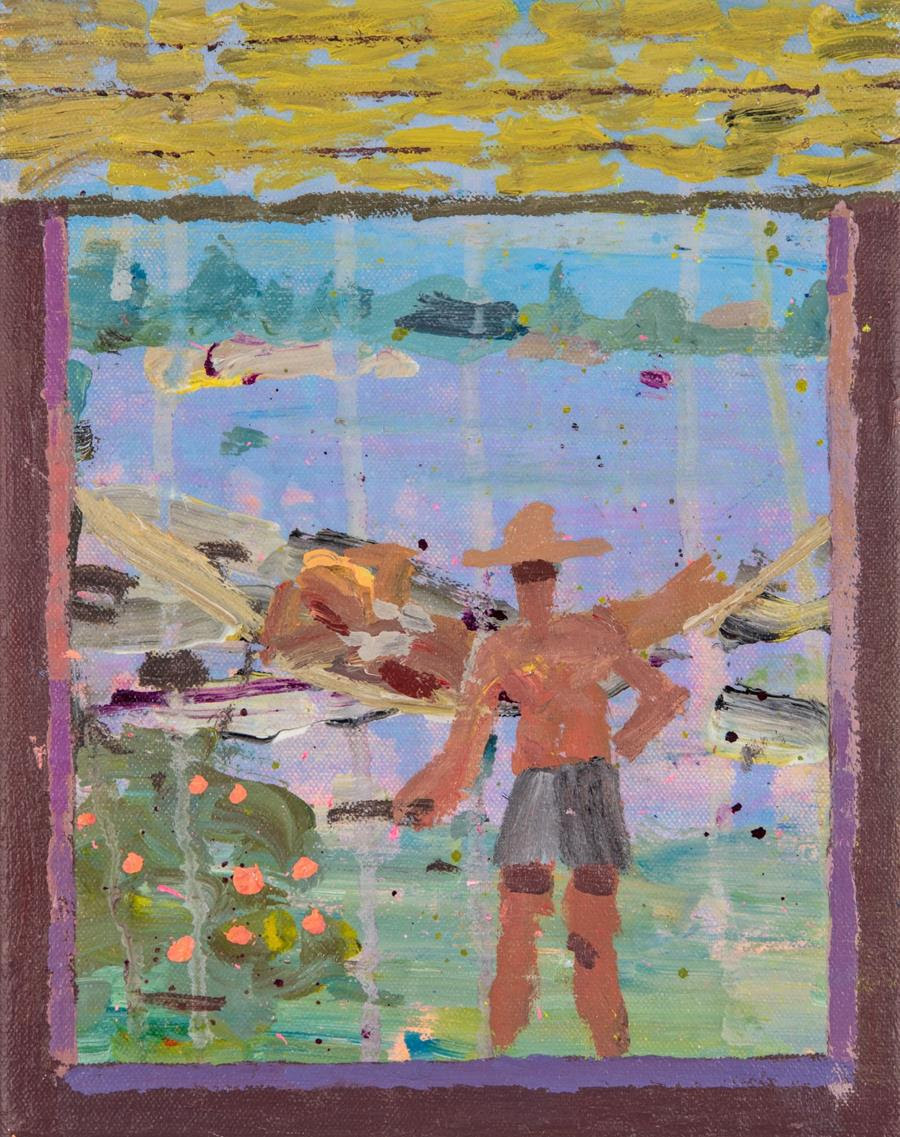
Dowling Walsh Gallery in Rockland is featuring “IDK,” an exhibition of paintings by Tollef Runquist that explores the intersection of personal reflection, archetypes, fantasy and play. Runquist’s paintings combine images and symbols drawn from lived experience, emotional landscapes and cultural influences, creating an intuitive dialogue between imagery and meaning. “My work explores a space where […]
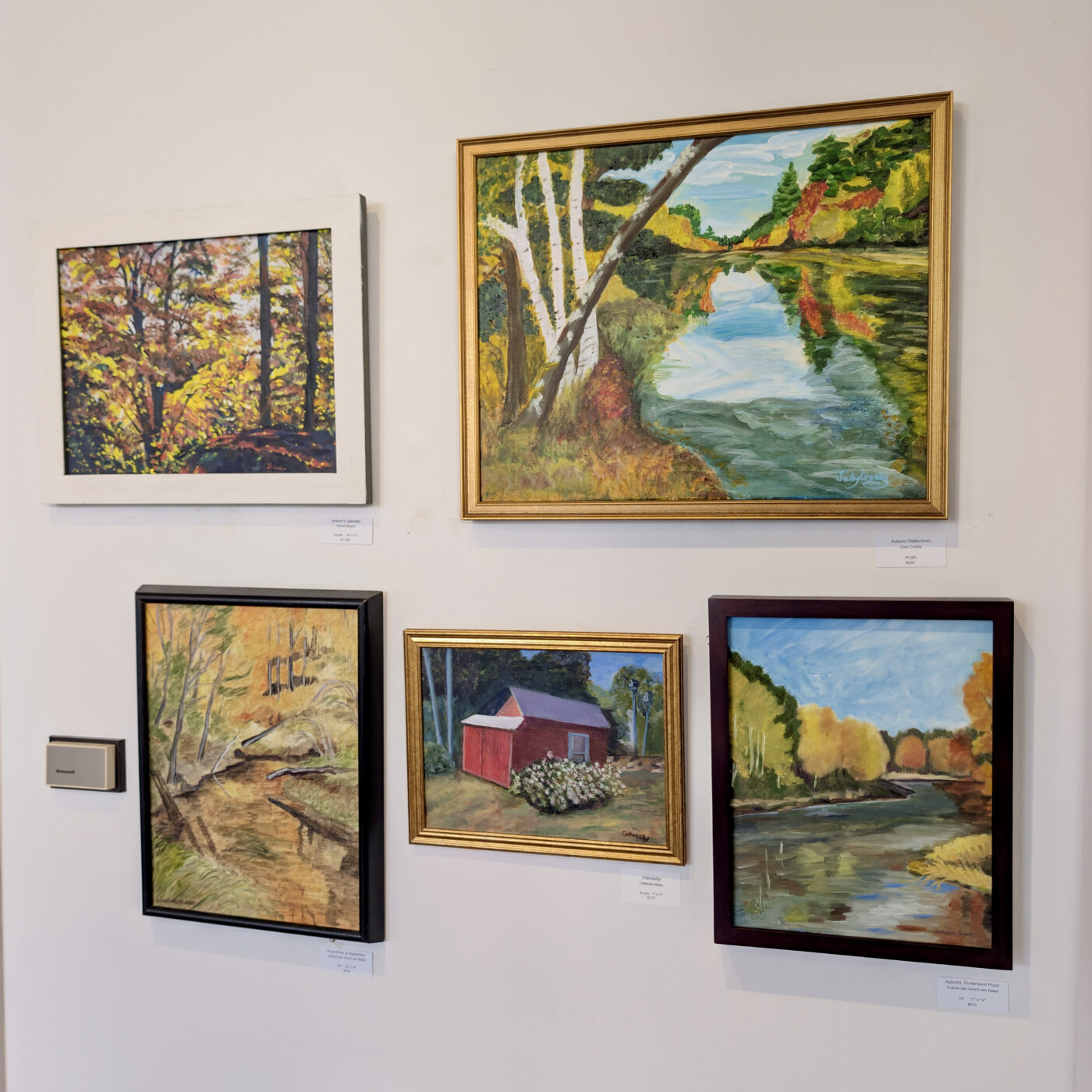
Meetinghouse Arts in Freeport is presenting a full schedule of fall exhibitions and performances, including a members show, a collaborative exhibition by longtime artist friends Tim Sample and Linda Rowell-Kelley and several concerts. The gallery’s fall members exhibition, “Nature’s Palette: Art Inspired by the Season,” will remain on view through Oct. 18. Featuring paintings, drawings, […]
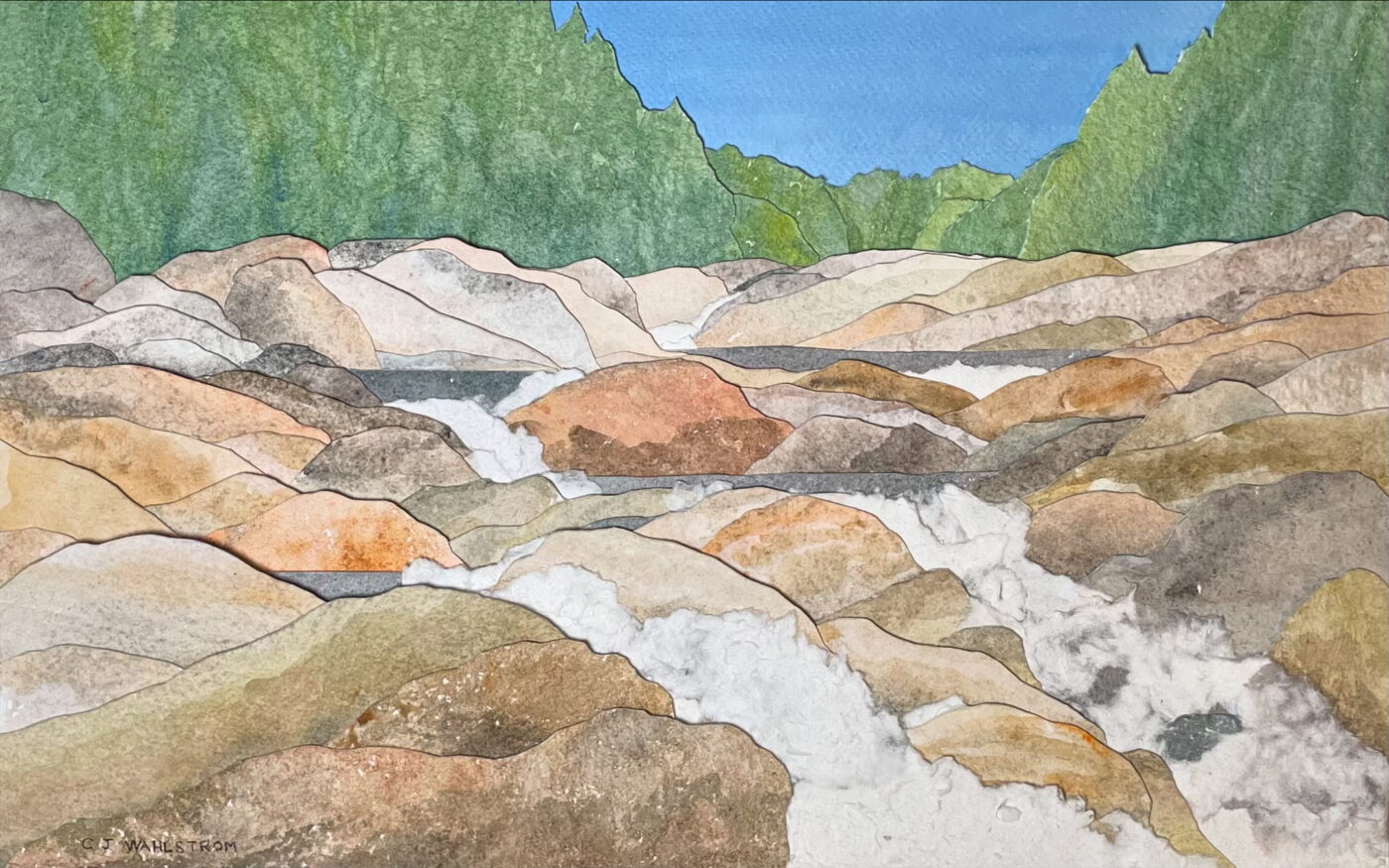
Local Color Gallery in Belfast will feature printmaker, collage artist and sculptor Jeff Wahlstrom from Oct. 19 to Nov. 22. An Art Walk reception will be held from 4 to 7 p.m. Oct. 23, with an artist talk at 5 p.m. Based in Bangor, Wahlstrom creates block prints and watercolor collages inspired by the natural […]
Women Eco Artists Dialog (WEAD), based in Berkeley, California, is accepting submissions for its 2027 members exhibition, “Prototyping Futures of Making: Water, Data, and Living Systems.” The exhibition will explore the relationships among water, data, ecological systems and emerging technologies, asking how artists can engage with living systems as sites of collaboration, construction and consequence. […]
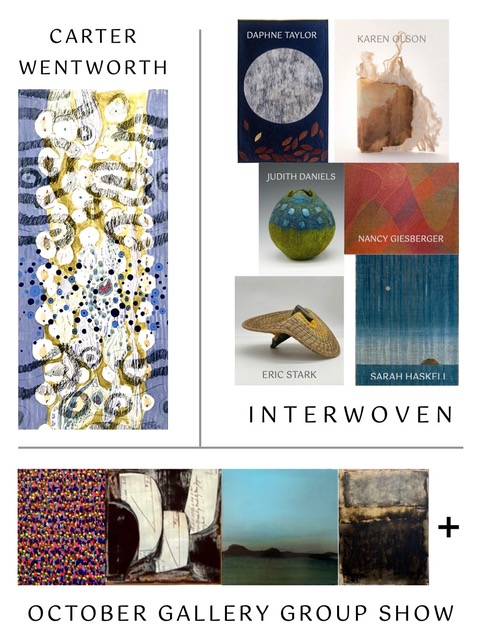
Triangle Gallery in Rockland is presenting three exhibitions through Oct. 31, including an extended solo exhibition by Carter Wentworth, a group fiber arts show and a fall exhibition of work by gallery artists. Wentworth’s “Sound of Rain Crossing the Lake” will remain on view in the upstairs gallery through the end of October. “Interwoven,” a […]
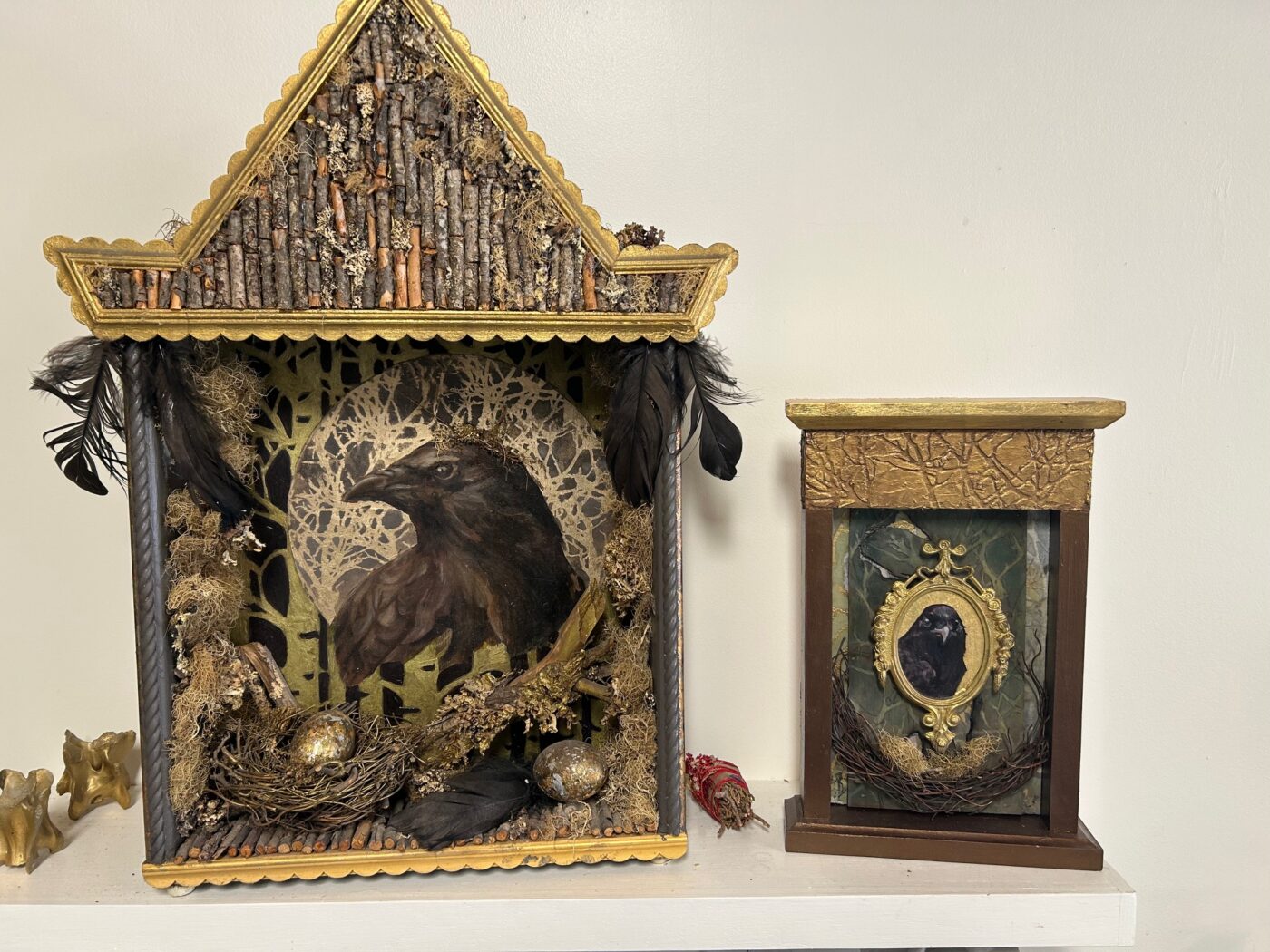
Waterfall Arts in Belfast will present “Found in Translation,” a mixed-media exhibition featuring Maine artists Deborah Jellison, JoAnne Houlsen and John LeBlanc, from Oct. 23 to Nov. 28. An opening reception will be held from 5 to 7 p.m. Oct. 23. The exhibition brings together three artist friends whose work explores familiar Maine landscapes, objects […]
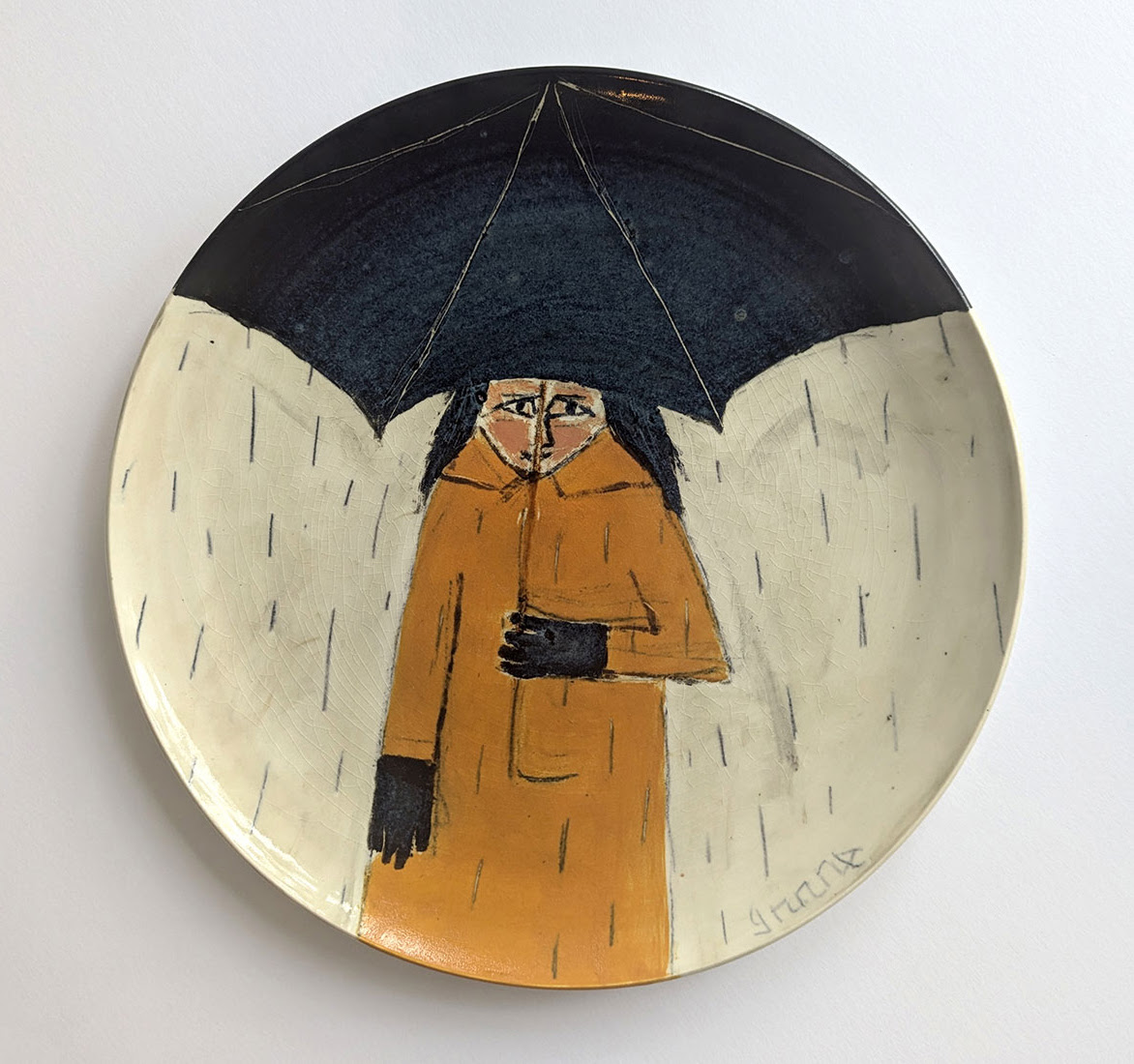
Courthouse Gallery Fine Art in Ellsworth is presenting “Form Meets Surface,” an exhibition highlighting porcelain ceramics by potter Mark Bell and collaborative works created with painter William Irvine. The artists, both established in their respective fields, have worked together since 2015 to create porcelain vases and plates that combine Bell’s ceramic forms with Irvine’s painted […]
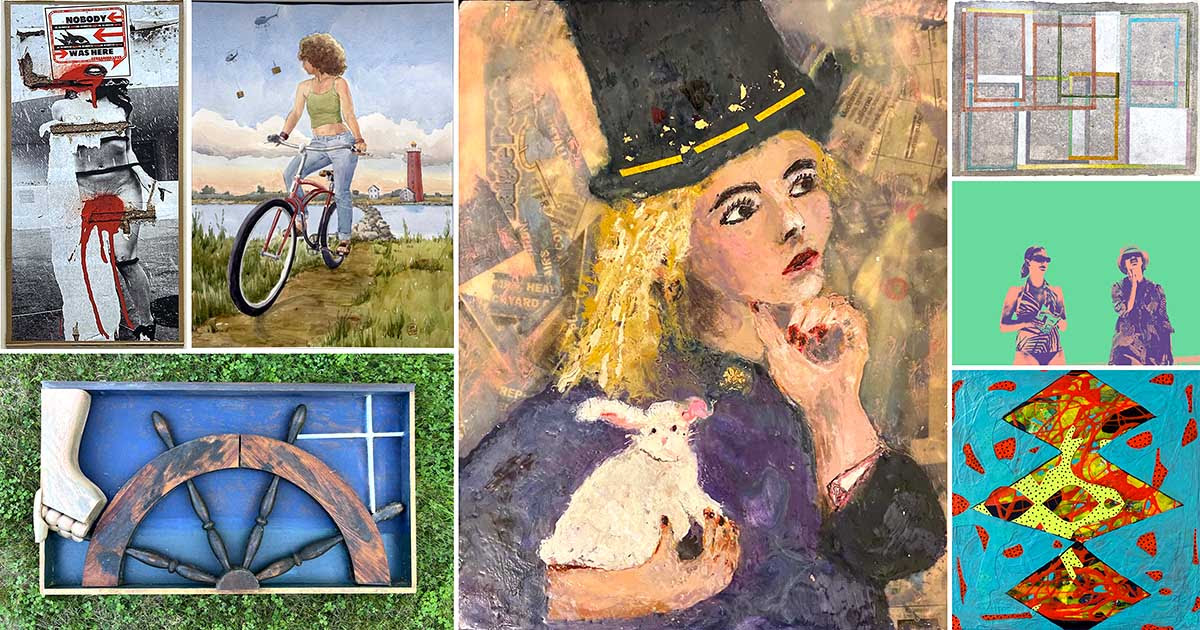
Barn Gallery in Ogunquit concluded its 2026 exhibition season Oct. 12, but the venue will continue to welcome visitors for two performances in the 19th annual Elizabeth Dunaway Burnham Piano Festival. Pianist, composer and vocalist Zahili Zamora will return to Ogunquit with her Afro Cuban Jazz Trio for a performance from 7:30 to 9:30 p.m. […]
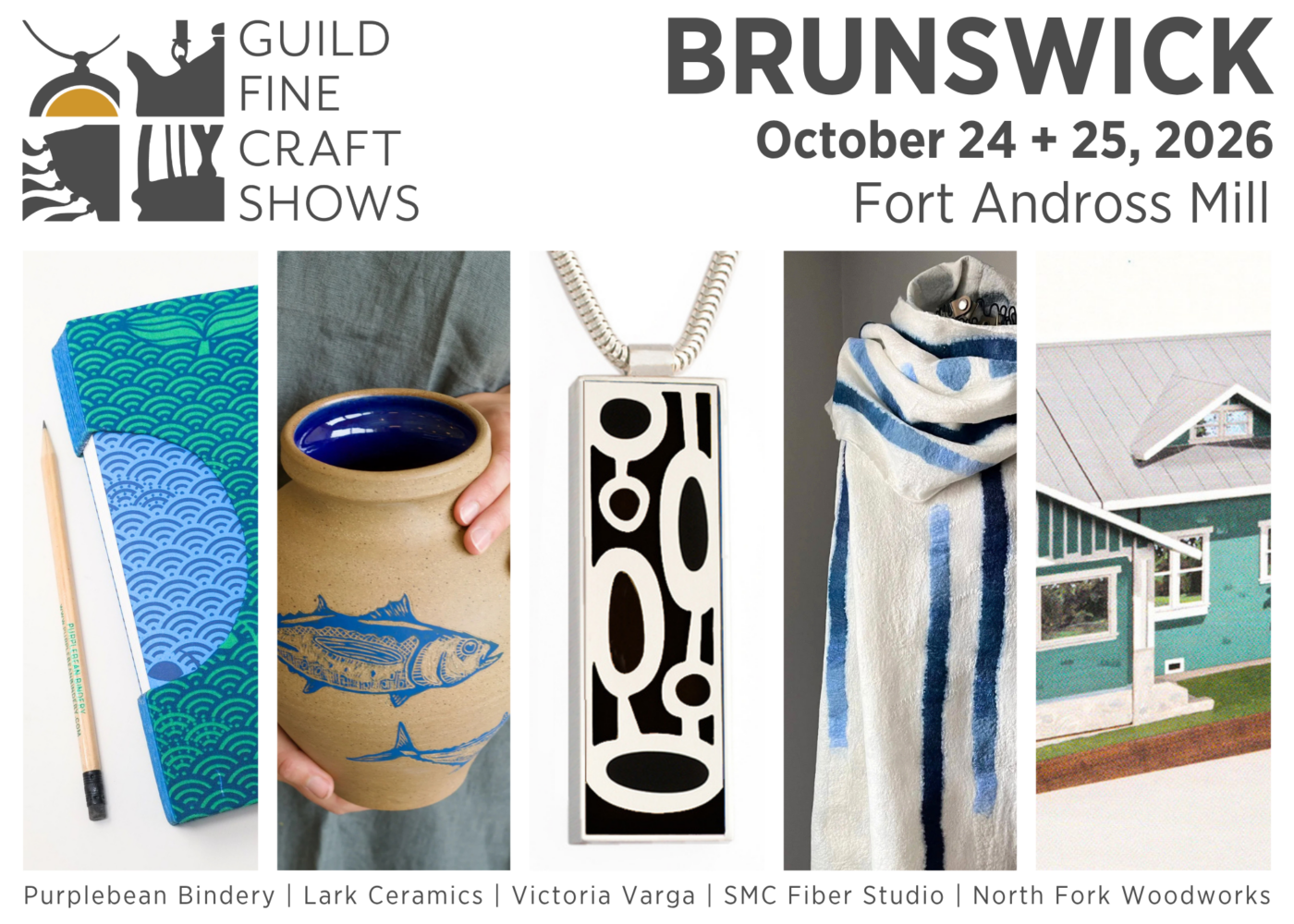
The Brunswick Guild Fine Craft Show will return to the historic Fort Andross Mill in Brunswick on Oct. 24 and 25, celebrating its 10th season with work by 40 juried Maine craft artists. Presented by Shop Maine Craft, the indoor show will feature basketry, ceramics, decorative and wearable fiber art, furniture, glass, jewelry, mixed media, […]

Receive news and information about Maine artists and events delivered right to your inbox.