By Lynne Seitzer
Last fall, I had the good fortune to see the Guggenheim’s “Orphism” exhibit. My knowledge of the term Orphism was very limited. As I progressed through six upward spiraling floors and all 90 works of art, it was clear that this period of art left a very distinct mark on color harmony and color contrast. An historic touchstone for me was the impact of Orphism on the mod and pop designs of the seventies. As a child of that era, I recognized its influences on album covers, mini skirts, and ‘cool’ typeface fonts. And in addition to that, it was just plain fun.
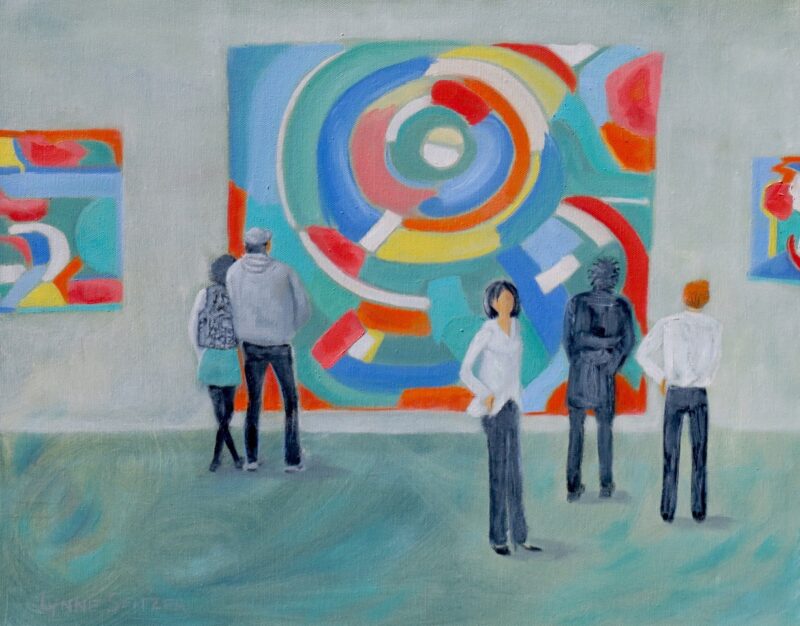
A few weeks later, back in our studio, I began to play with paint and my recollections from that day in the museum. I created small versions of some of my favorite pieces. Then I placed the viewers into the painting. First as a small study then a larger piece with more audience. Both paintings relating to my direct experience of the art of Orphism.
Orphism is an art movement (circa 1910-1914) which is considered the connective element between Cubism and Pure Abstraction. The term was coined by a French poet Apollinaire around 1912. It was named for the Greek god Orpheus. (Orpheus entered into the realm of the underworld to reclaim his beloved Eurydice.)
It is said that Orphism artists embarked on a metaphysical quest to uncover the mysteries beneath the surface of reality.
The art of this period focused on bright colors and pure abstraction. Central figures of the movement were Sonia Delauney and Robert Delauney. Both were heavily influenced by the wild brushwork of Fauvism. (The Fauves, led by Matisse and Derain, emphasized the use of painterly effects with very strong colors.)
Orphism was distinguished by it’s rhythmic patterns and visual harmony. There is a sense of light emanating from these paintings possibly due to the use of Chevreuil’s color theory claim that the manipulation of color can produce light on the canvas and color juxtaposition.
Sonia Delauney applied the principles of Orphism not just to her luminous paintings but to elevated textiles, book and theater designs. She illustrated Blaise Cendrars’ poem “La prose du Transsibérien” with a unique accordion-pleated book design, merging text and visual art. Her influence extends into the world of design even today.
Robert Delauney’s innovative approach to abstraction, also referred to as “Simultanism,” is a testament to his unique ability to capture the dynamic interplay of light, space, and emotion. The luminous color and Orphic style also had an immediate influence on the work of The Blue Rider Expressionist painters.
The impact of this somewhat little known period of art history continues to influence and inspire many aspects of art, our life and culture.
On Oct. 3, we will be toasting the influence of Orphism in art and daily life with an afternoon open house. On view will be my two paintings celebrating this period and we invite you to find the connections to
Orphism throughout the gallery.
This will be in conjunction with the final First Friday of the 2025 season.
Joy To The Wind Gallery is at 34 Atlantic Ave., Boothbay Harbor. Hours are 10 a.m. to 5 p.m. daily. Call 207-633-7025 or go to joytothewind.com for more information.
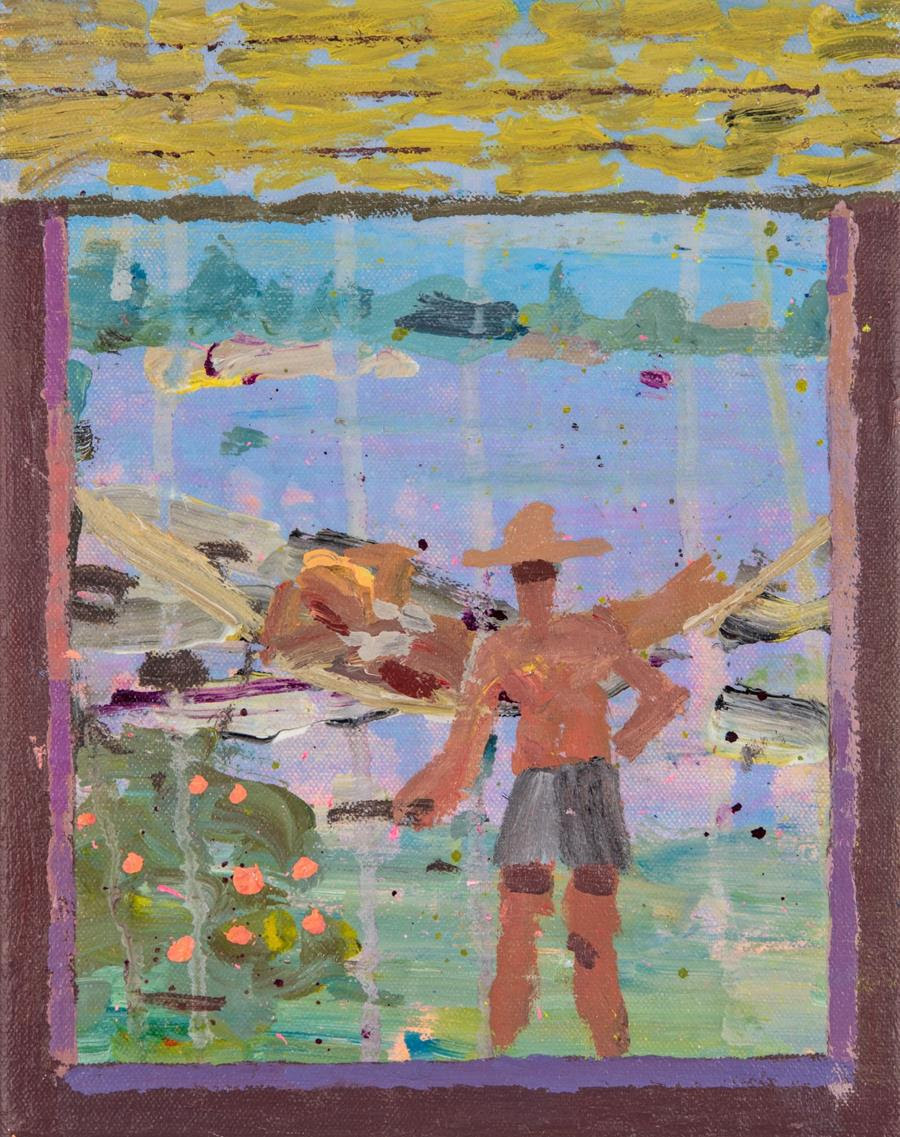
Dowling Walsh Gallery in Rockland is featuring “IDK,” an exhibition of paintings by Tollef Runquist that explores the intersection of personal reflection, archetypes, fantasy and play. Runquist’s paintings combine images and symbols drawn from lived experience, emotional landscapes and cultural influences, creating an intuitive dialogue between imagery and meaning. “My work explores a space where […]
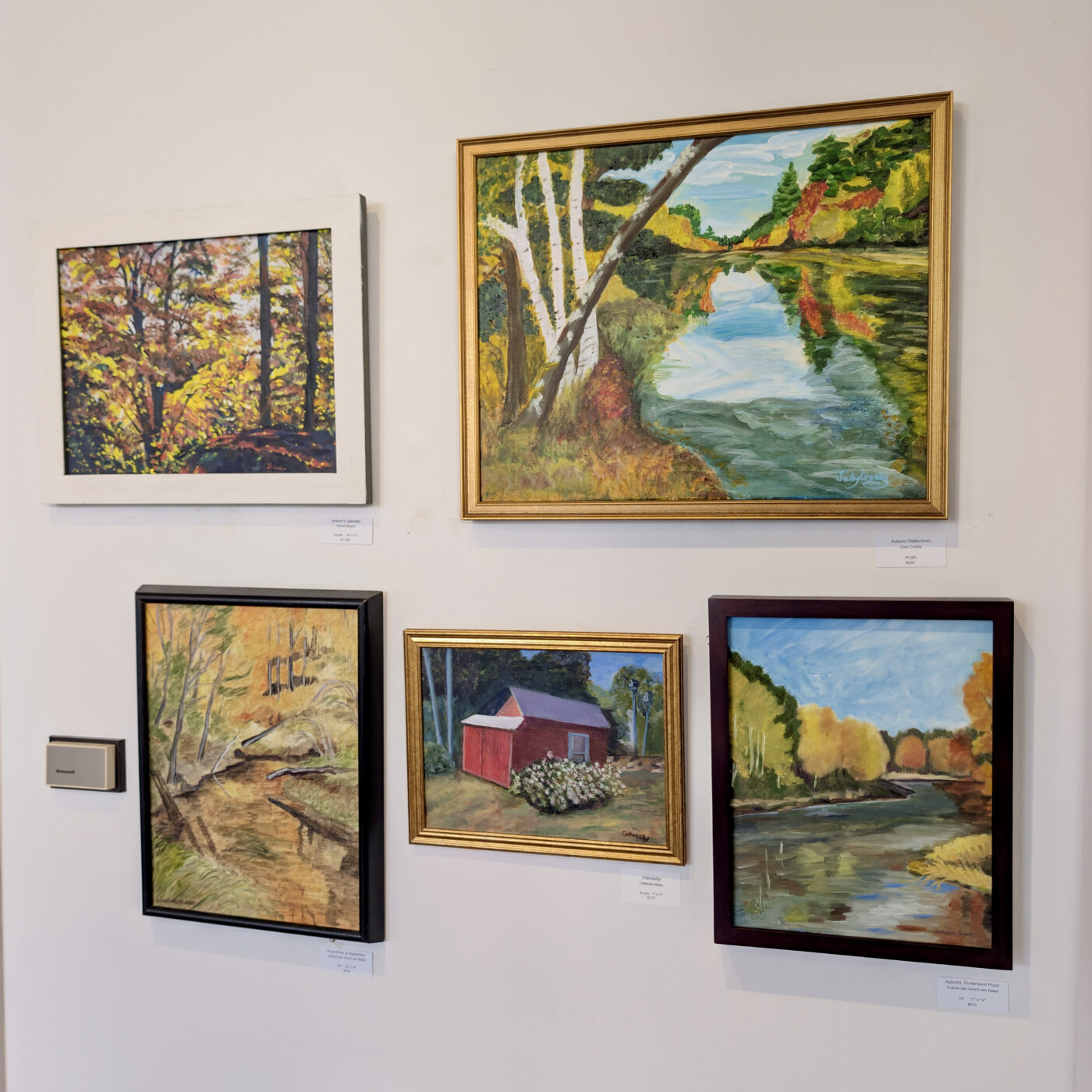
Meetinghouse Arts in Freeport is presenting a full schedule of fall exhibitions and performances, including a members show, a collaborative exhibition by longtime artist friends Tim Sample and Linda Rowell-Kelley and several concerts. The gallery’s fall members exhibition, “Nature’s Palette: Art Inspired by the Season,” will remain on view through Oct. 18. Featuring paintings, drawings, […]
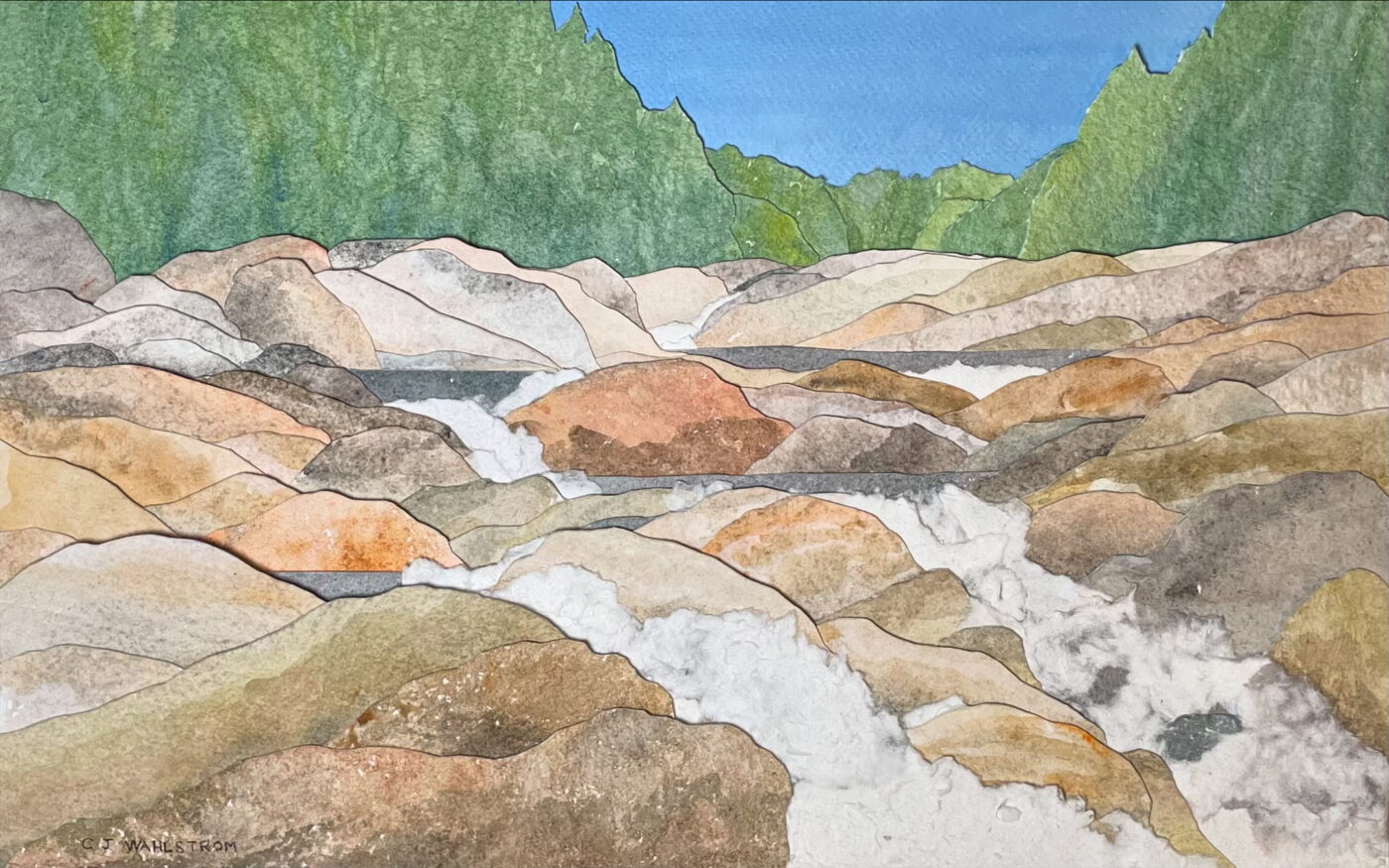
Local Color Gallery in Belfast will feature printmaker, collage artist and sculptor Jeff Wahlstrom from Oct. 19 to Nov. 22. An Art Walk reception will be held from 4 to 7 p.m. Oct. 23, with an artist talk at 5 p.m. Based in Bangor, Wahlstrom creates block prints and watercolor collages inspired by the natural […]
Women Eco Artists Dialog (WEAD), based in Berkeley, California, is accepting submissions for its 2027 members exhibition, “Prototyping Futures of Making: Water, Data, and Living Systems.” The exhibition will explore the relationships among water, data, ecological systems and emerging technologies, asking how artists can engage with living systems as sites of collaboration, construction and consequence. […]
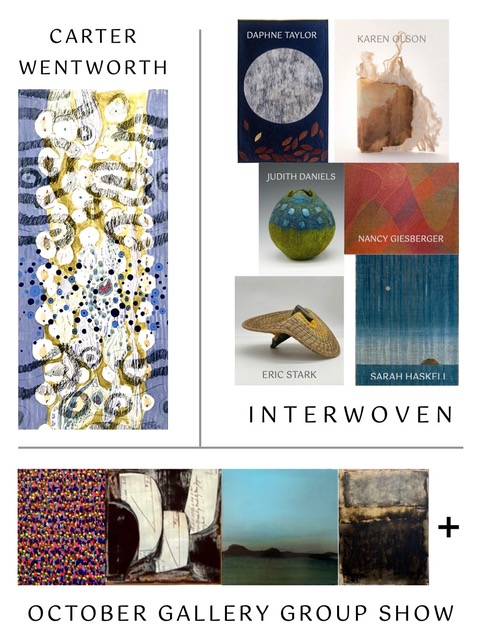
Triangle Gallery in Rockland is presenting three exhibitions through Oct. 31, including an extended solo exhibition by Carter Wentworth, a group fiber arts show and a fall exhibition of work by gallery artists. Wentworth’s “Sound of Rain Crossing the Lake” will remain on view in the upstairs gallery through the end of October. “Interwoven,” a […]
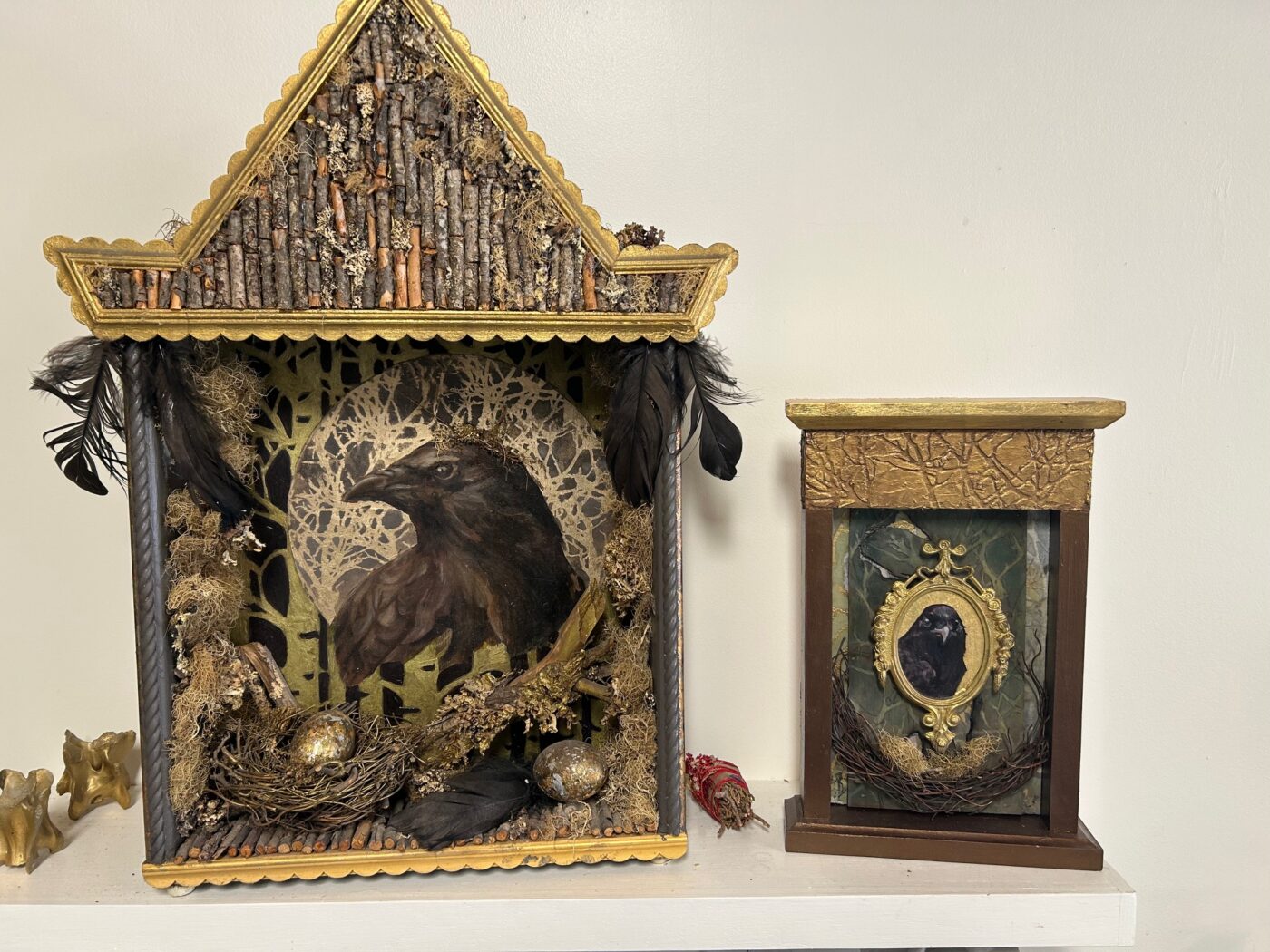
Waterfall Arts in Belfast will present “Found in Translation,” a mixed-media exhibition featuring Maine artists Deborah Jellison, JoAnne Houlsen and John LeBlanc, from Oct. 23 to Nov. 28. An opening reception will be held from 5 to 7 p.m. Oct. 23. The exhibition brings together three artist friends whose work explores familiar Maine landscapes, objects […]
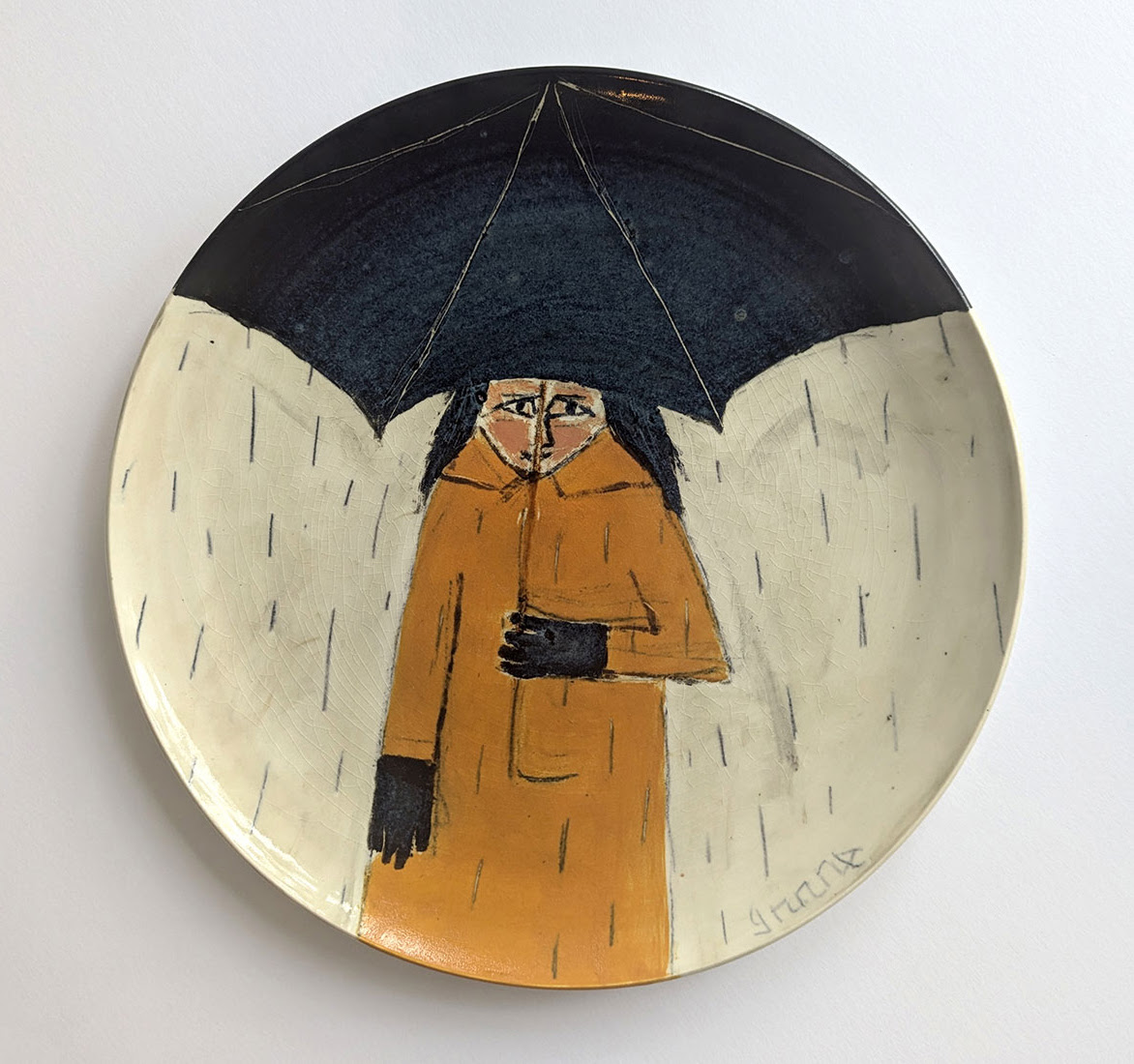
Courthouse Gallery Fine Art in Ellsworth is presenting “Form Meets Surface,” an exhibition highlighting porcelain ceramics by potter Mark Bell and collaborative works created with painter William Irvine. The artists, both established in their respective fields, have worked together since 2015 to create porcelain vases and plates that combine Bell’s ceramic forms with Irvine’s painted […]
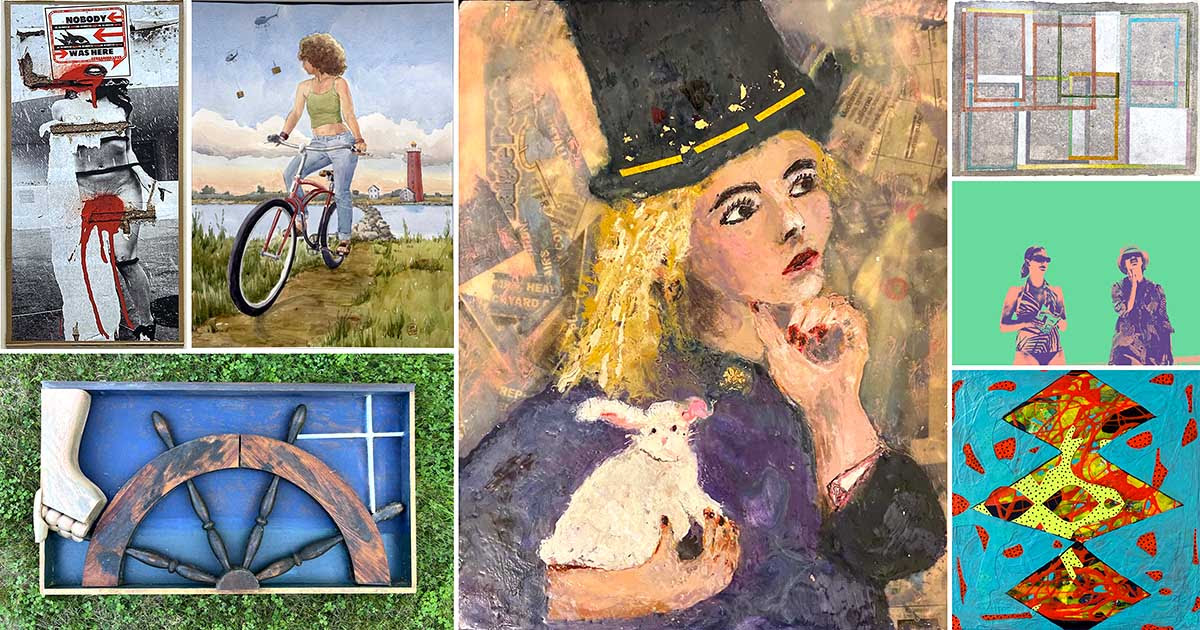
Barn Gallery in Ogunquit concluded its 2026 exhibition season Oct. 12, but the venue will continue to welcome visitors for two performances in the 19th annual Elizabeth Dunaway Burnham Piano Festival. Pianist, composer and vocalist Zahili Zamora will return to Ogunquit with her Afro Cuban Jazz Trio for a performance from 7:30 to 9:30 p.m. […]
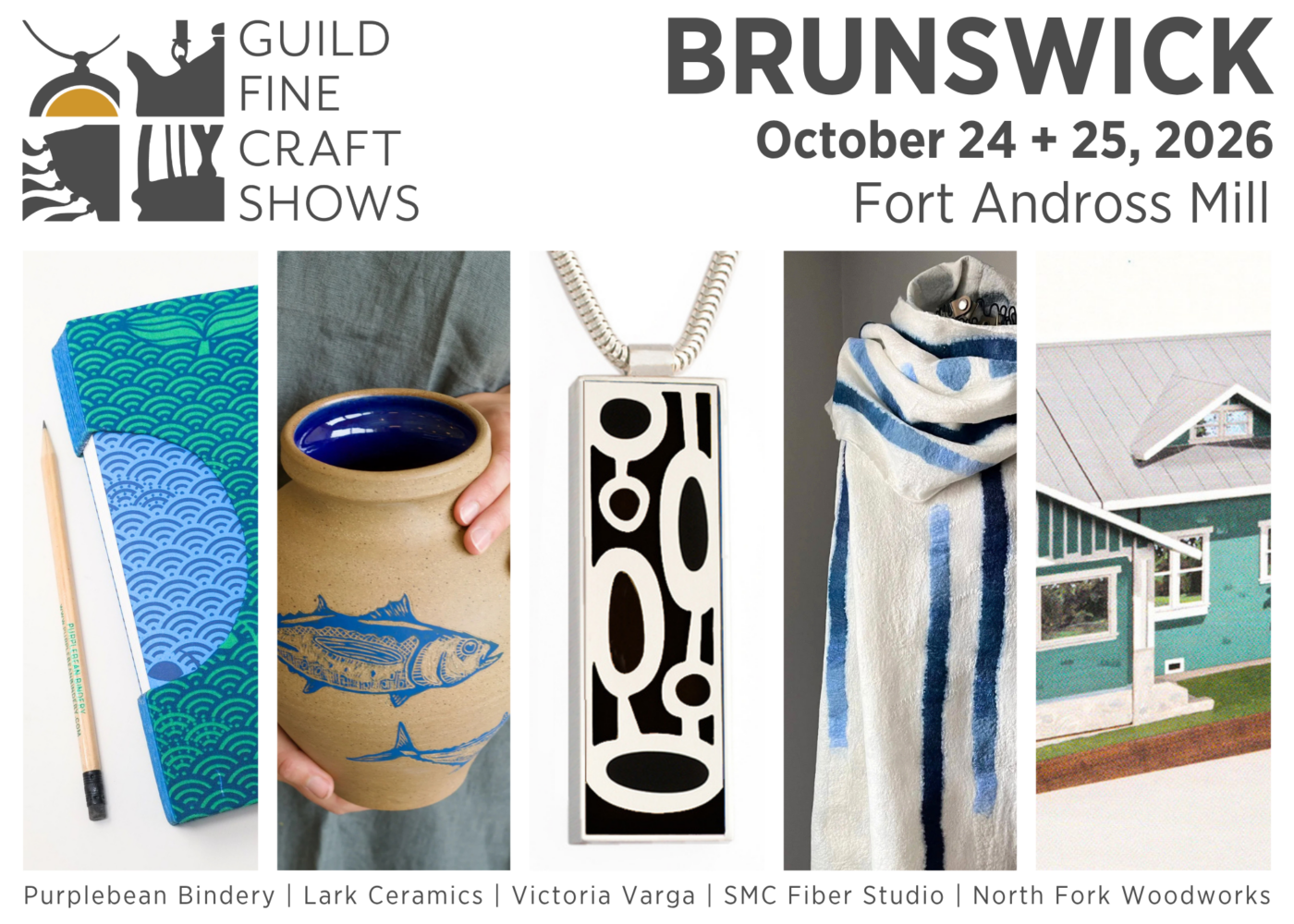
The Brunswick Guild Fine Craft Show will return to the historic Fort Andross Mill in Brunswick on Oct. 24 and 25, celebrating its 10th season with work by 40 juried Maine craft artists. Presented by Shop Maine Craft, the indoor show will feature basketry, ceramics, decorative and wearable fiber art, furniture, glass, jewelry, mixed media, […]

Receive news and information about Maine artists and events delivered right to your inbox.