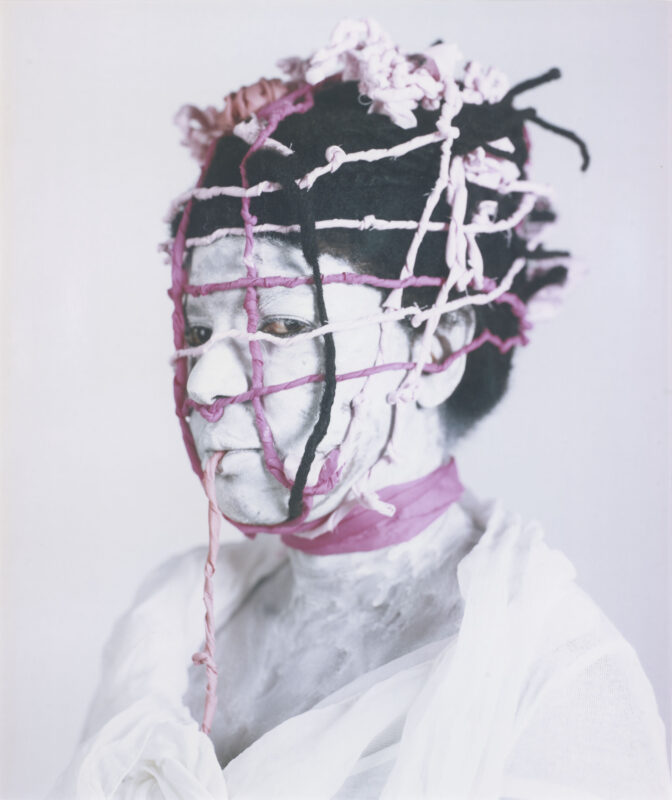
Colby College Museum of Art connects generations across oceans through works by more than 40 contemporary artists in “Imagining an Archipelago: Art from Cuba, Guam, the Philippines, Puerto Rico, and Their Diasporas.” On view July 11, 2026, to June 6, 2027, the physically and visually immersive exhibition brings together approximately 50 paintings, sculptures, videos, prints, photographs and multimedia installations, including several newly commissioned works that create site-specific experiences. The artworks explore the artists’ relationships to the histories and communities of their lands and seas.
Themes of cultural and political self-determination, indigeneity and migration and climate crisis and resilience unite the exhibition. One floor is organized geographically, showcasing each island’s uniqueness, while the other floor is organized by theme — Land, Sea and Sky; Religion and Spirituality; Food; and Military Occupations — offering visitors multiple ways to engage with ideas of history, culture and identity.
“By displaying art from these islands side-by-side, ‘Imagining an Archipelago’ invites visitors to see new connections and gain a deeper, more nuanced understanding of U.S. history and culture,” said Jessamine Batario, the Linde Family Foundation curator of academic engagement at the Colby Museum. “The striking range of scale encourages viewers to become aware of their own bodies and orient themselves in new ways in the galleries, whether gazing up at artworks that extend from the ceiling or enjoying artworks that call upon them to look out toward the horizon.”
Two large-scale, double-sided quilts from the “Successions” series by Afro Puerto Rican artist Amber Robles-Gordon set the tone for the exhibition. One pays homage to the artist’s native Puerto Rico and the other is dedicated to Guam. Together, the quilts introduce the central exhibition theme of solidarity between the islands. The exhibition title is presented in English, Spanish, Filipino and CHamoru and is inspired by the work of CHamoru poet Craig Santos Perez. It represents connections that supersede proximity and are rooted in the shared history and experiences across diasporas.

Commissioned works include projected text by Jerome Reyes, ceramics and textiles by Sara Jimenez, Mariquita “Micki” Davis’ large-scale cyanotype on canvas, Isa Gagarin’s painting on fused plastic and a video by Judith Escalona documenting the 2024 Islands Project Convening that brought several artists together to help shape the exhibition. Camille Hoffman’s site-specific installation will transform a transitional space into an immersive environment. Hoffman will paint directly on the walls and floor and affix found objects throughout the corridor, linking the American art collection in the museum’s Lunder Wing to “Imagining an Archipelago.”
The exhibition’s historical focus begins in the late 19th century. As movements toward independence gained momentum across Cuba, the Philippines and Puerto Rico, the 1898 Treaty of Paris shifted control from Spain to the United States. “Imagining an Archipelago” is the first major exhibition to use contemporary art to examine the impact of extending Manifest Destiny beyond North America.

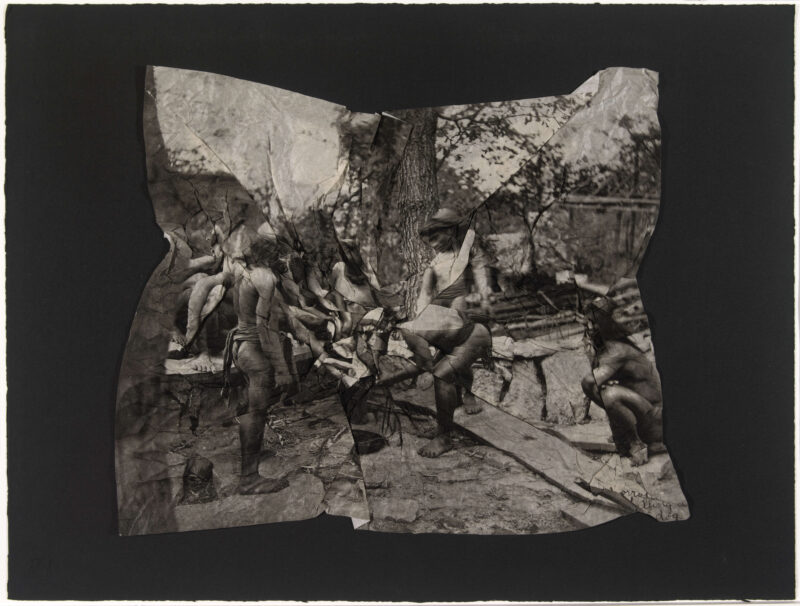
Several featured artworks consider the complex relationship between citizenship and Americanness. Beatriz Santiago Muñoz’s video, “Ojos para mis enemigos” (2014) explores Roosevelt Roads, a former U.S. Navy base in Ceiba, Puerto Rico. After years of local protests, the base closed in 2004 and has since been naturally reclaimed by local plants, species and animals, with residents now accessing the area for fishing and foraging. The video captures the tension between imperial power and local reclamation. Sarah Sudhoff’s photographic print, “Ribbon Wars” (2022) from the series “Outlier” offers a visual representation of the profound, often invisible, impact of military service on children and families. Sherwin Rivera Tibayan’s archival prints, “Untitled Collage Frame #1 and #2” (2025) from the “Filipino American Navy” series address the legacy of Filipinos in the U.S. Navy. Many Filipinos were recruited into the U.S. armed forces, often facing discriminatory practices but seeking a pathway to U.S. citizenship through their service. Tibayan’s images honor those who were proud of this service, highlighting a critical but often overlooked chapter in Filipino American history.
“Among its aims, ‘Imagining an Archipelago’ serves as a platform for solidarity and healing. The exhibition also inspires and illustrates camaraderie, artistic growth, experimentation and collaboration among the featured artists and their broader diasporic communities,” said Jacqueline Terrassa, the Carolyn Muzzy director of Colby Museum. “The exhibition brings together a wide range of perspectives, fulfilling the museum’s mission to embrace the complexity of the American experience and broaden and uplift the voices that shape American art. As a teaching museum, the Colby Museum is dedicated to expanding the understanding of American art by fully embracing the diverse, complex American experience across different geographies and histories.”
This commitment is reflected in the collaborative process behind “Imagining an Archipelago.” Colby students played an active role as curatorial assistants for research and design, contributed to shaping the exhibition’s core themes through two dedicated courses (Tropical Bittersweet: Art, Food, And Agriculture and Art and Spirituality of Island Worlds) and generated the original idea to make “Islands” a campus-wide curricular theme.
The college uses annual themes to create a unified, interdisciplinary conversation across campus, encouraging students and faculty to collaborate and think beyond their specific fields of study. Through the Center for Arts and Humanities, “Islands” was designated as Colby College’s central curricular focus for two full academic years (2025-2027), ensuring the exhibition will drive educational engagement across all academic disciplines.
“Imagining an Archipelago” also grew out of close collaboration between the Colby College Museum of Art and artists connected to the islands represented in the show. While curating the exhibition, Batario consulted with numerous curators and scholars to generate a comprehensive list of potential artists with ties to the featured islands. A Teiger Foundation Curatorial Research Grant facilitated travel in 2023 and 2024, allowing Batario to conduct dozens of studio visits and meet directly with artists. The exhibition’s key themes were inspired by the artists’ practices and the issues that mattered most to them.
The artists also played a formative role in shaping the exhibition’s development through two Islands Project Convenings held in 2022 and 2024, each hosted in both Waterville, Maine and on Allen Island, part of Colby College’s Island Campus in Maine’s Muscongus Bay. Colby College assumed stewardship of Allen and Benner Islands from the Up East Foundation and the Wyeth Foundation for American Art following the passing of Betsy Wyeth as part of an important initiative to preserve these extraordinary areas and continue to utilize them as centers for learning, research and creative inspiration. Experiences from the convenings refined the exhibition direction and checklist. Shared meals elevated food to an exhibition theme, prompting discussions about shared culinary traditions rooted in colonial foodways and the galleon trade, as well as critical issues of food sovereignty and the impact of colonization on island agriculture. This focus was so valuable that it led to the creation of a related Colby course (Tropical Bittersweet: Art, Food, And Agriculture), further solidifying the theme’s presence in the show.
“Imagining an Archipelago” holds particular significance now, prompting visitors to reflect on contemporary issues of immigration, citizenship and culture and highlighting the complexity of American identities and experiences. The exhibition expands the traditional understanding of both American history and American art history by considering U.S. expansionist policies since the late 19th century. The exhibition considers the common perception of the U.S. as a purely continental nation and centers islands that were — and in the cases of Puerto Rico and Guam, still are — under U.S. control.
Through painting, photography, installation, sculpture, weaving, assemblage and film, the artists convey the layered realities of life shaped by U.S. expansion. Together, the artworks form a vivid archipelago of stories that underscore the enduring impact of these histories on contemporary American life and invite visitors to reconsider how we carry the past and what it means to be American.
“As immigration remains a central issue, the exhibition details the reasons certain immigrant groups came to the United States and how their identities continue to evolve,” Batario said.
The significance of place is central to “Imagining an Archipelago.” The exhibition will travel to several locations across the United States that are home to large populations with ties to the islands, inviting them to make connections between their personal experiences and the artwork while also introducing new audiences to the artistic expression and histories of these islands.
The exhibition’s community-centered approach begins at the Colby College Museum of Art, where the presentation advances the museum’s mission as a teaching museum and a site for experimentation, research and dialogue. The exhibition supports bringing extraordinary art experiences to central Maine, opening access to art and artists and inviting not only the campus community but also visitors to engage deeply with the vital histories and cultures of these islands.
Following its debut at Colby Museum, “Imagining an Archipelago” will embark on a national tour, including showings at the Museo de Arte Contemporáneo de Puerto Rico in San Juan, Puerto Rico (fall 2027), a presentation made possible by a generous grant from the Mellon Foundation, the Yerba Buena Center for the Arts in San Francisco (spring/summer 2028) and the Newark Museum of Art in New Jersey (fall 2028).
Support for this exhibition and its national tour is provided by the Andrew W. Mellon Foundation, Teiger Foundation, Terra Foundation for American Art and Andy Warhol Foundation for the Visual Arts.
Colby College Museum of Art is at 5600 Mayflower Hill in Waterville. Call 207-859-5600, email museum@colby.edu, or go to museum-exhibitions.colby.edu for more information.
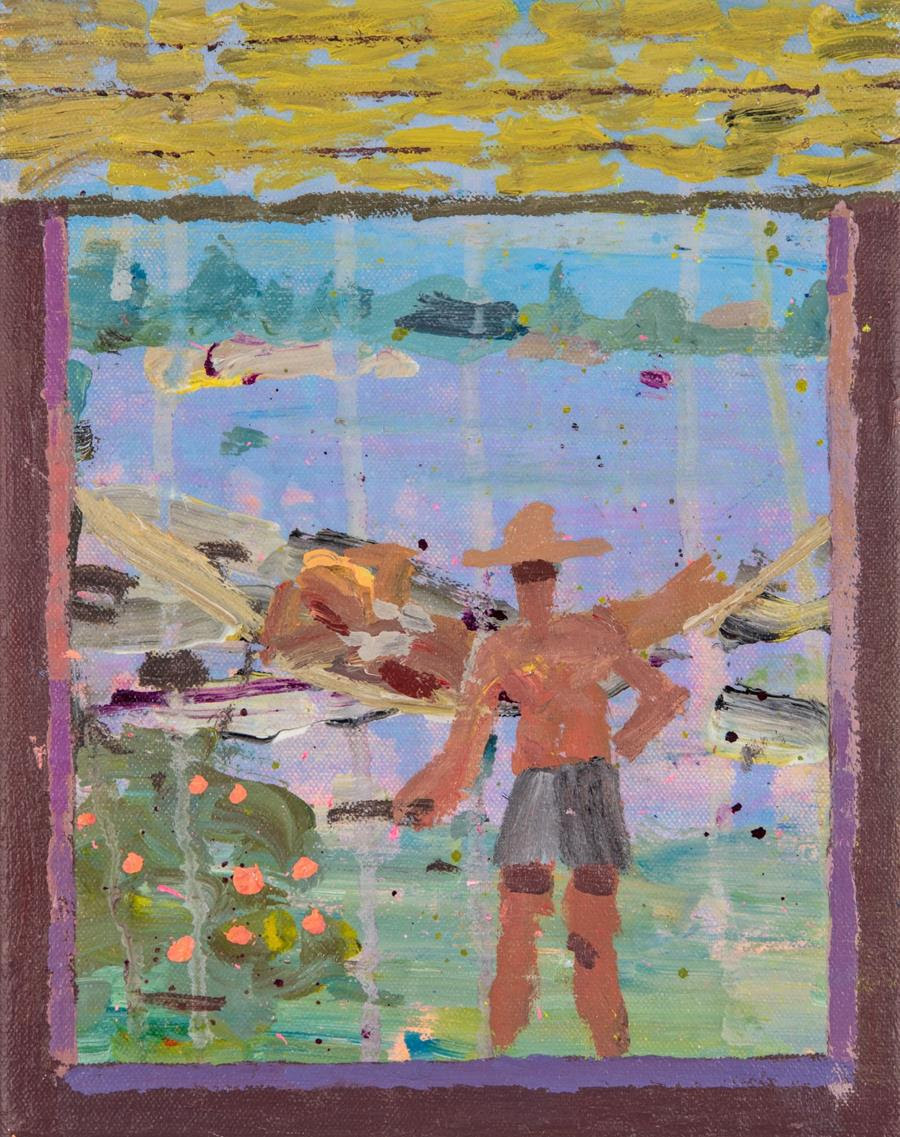
Dowling Walsh Gallery in Rockland is featuring “IDK,” an exhibition of paintings by Tollef Runquist that explores the intersection of personal reflection, archetypes, fantasy and play. Runquist’s paintings combine images and symbols drawn from lived experience, emotional landscapes and cultural influences, creating an intuitive dialogue between imagery and meaning. “My work explores a space where […]
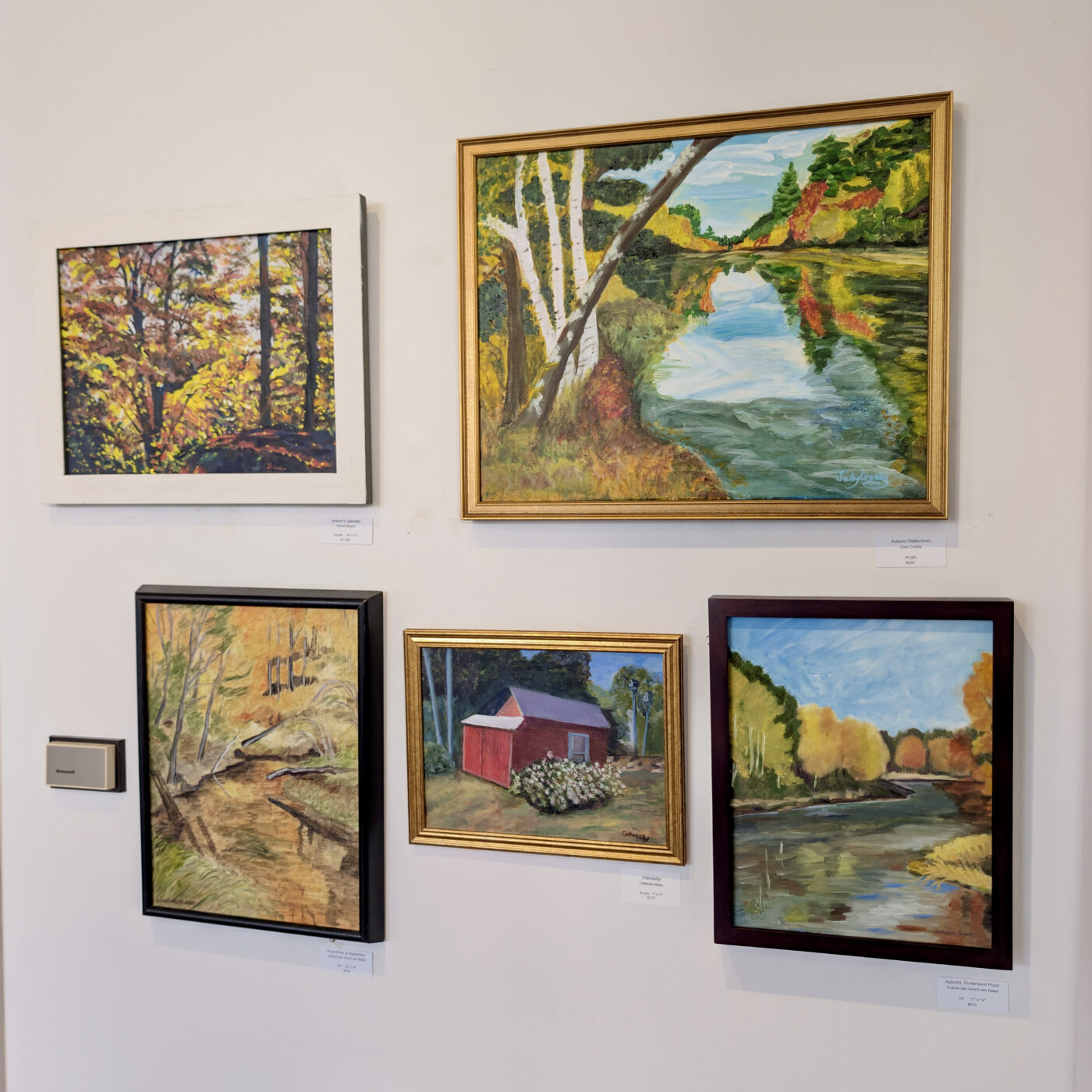
Meetinghouse Arts in Freeport is presenting a full schedule of fall exhibitions and performances, including a members show, a collaborative exhibition by longtime artist friends Tim Sample and Linda Rowell-Kelley and several concerts. The gallery’s fall members exhibition, “Nature’s Palette: Art Inspired by the Season,” will remain on view through Oct. 18. Featuring paintings, drawings, […]
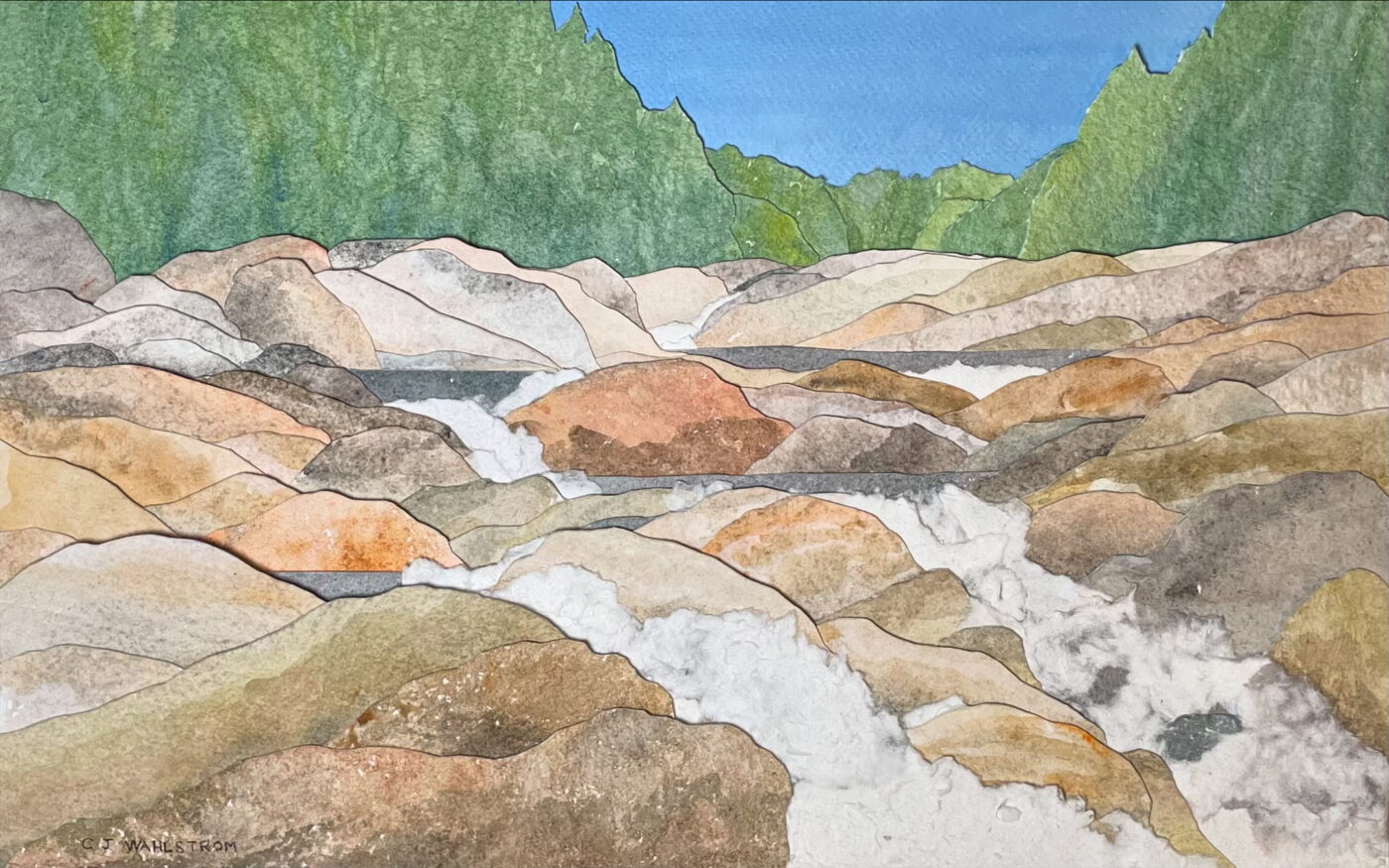
Local Color Gallery in Belfast will feature printmaker, collage artist and sculptor Jeff Wahlstrom from Oct. 19 to Nov. 22. An Art Walk reception will be held from 4 to 7 p.m. Oct. 23, with an artist talk at 5 p.m. Based in Bangor, Wahlstrom creates block prints and watercolor collages inspired by the natural […]
Women Eco Artists Dialog (WEAD), based in Berkeley, California, is accepting submissions for its 2027 members exhibition, “Prototyping Futures of Making: Water, Data, and Living Systems.” The exhibition will explore the relationships among water, data, ecological systems and emerging technologies, asking how artists can engage with living systems as sites of collaboration, construction and consequence. […]
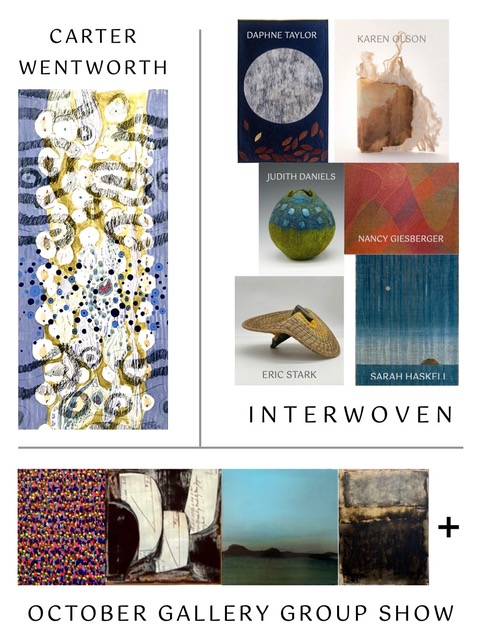
Triangle Gallery in Rockland is presenting three exhibitions through Oct. 31, including an extended solo exhibition by Carter Wentworth, a group fiber arts show and a fall exhibition of work by gallery artists. Wentworth’s “Sound of Rain Crossing the Lake” will remain on view in the upstairs gallery through the end of October. “Interwoven,” a […]
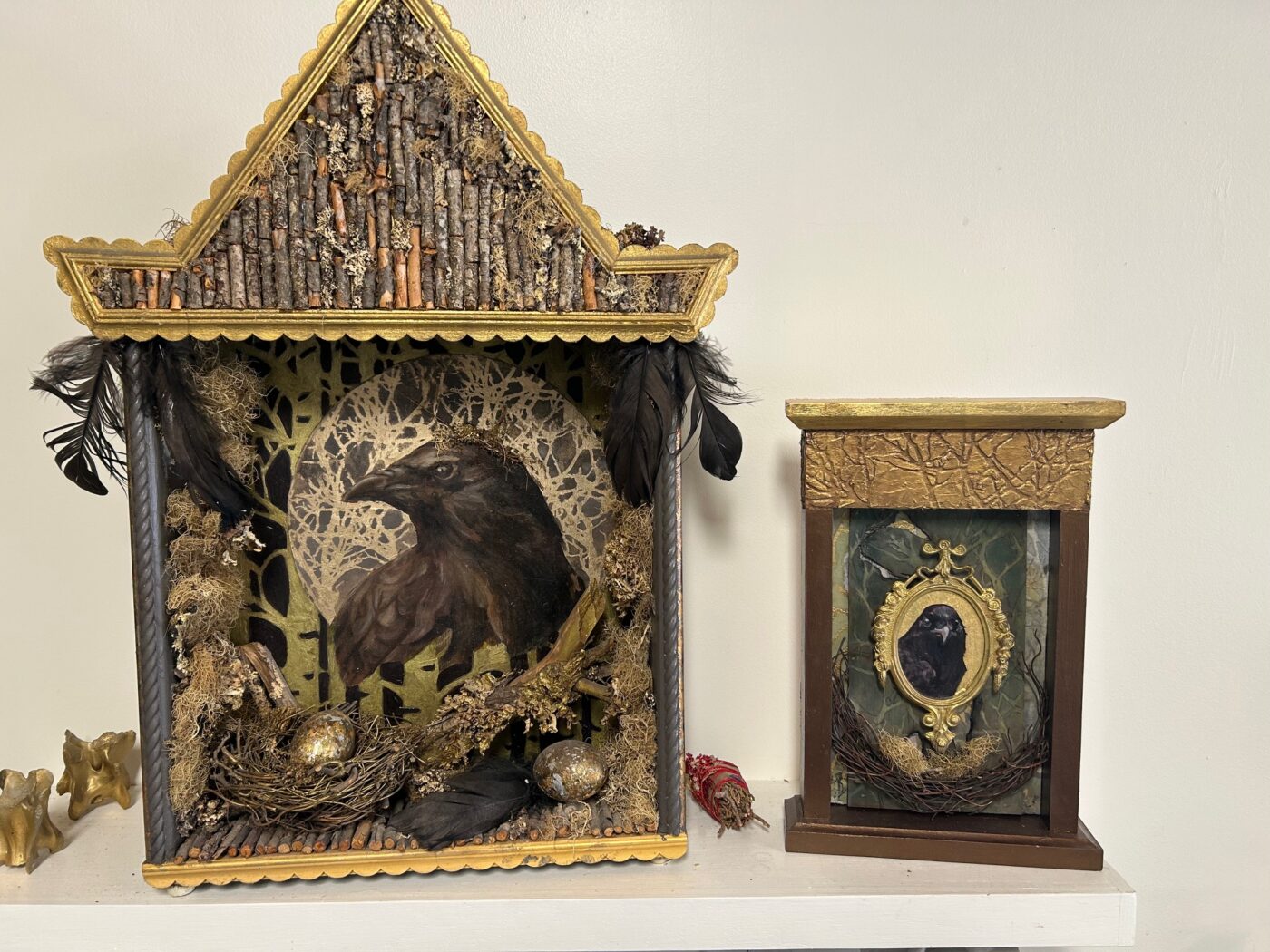
Waterfall Arts in Belfast will present “Found in Translation,” a mixed-media exhibition featuring Maine artists Deborah Jellison, JoAnne Houlsen and John LeBlanc, from Oct. 23 to Nov. 28. An opening reception will be held from 5 to 7 p.m. Oct. 23. The exhibition brings together three artist friends whose work explores familiar Maine landscapes, objects […]
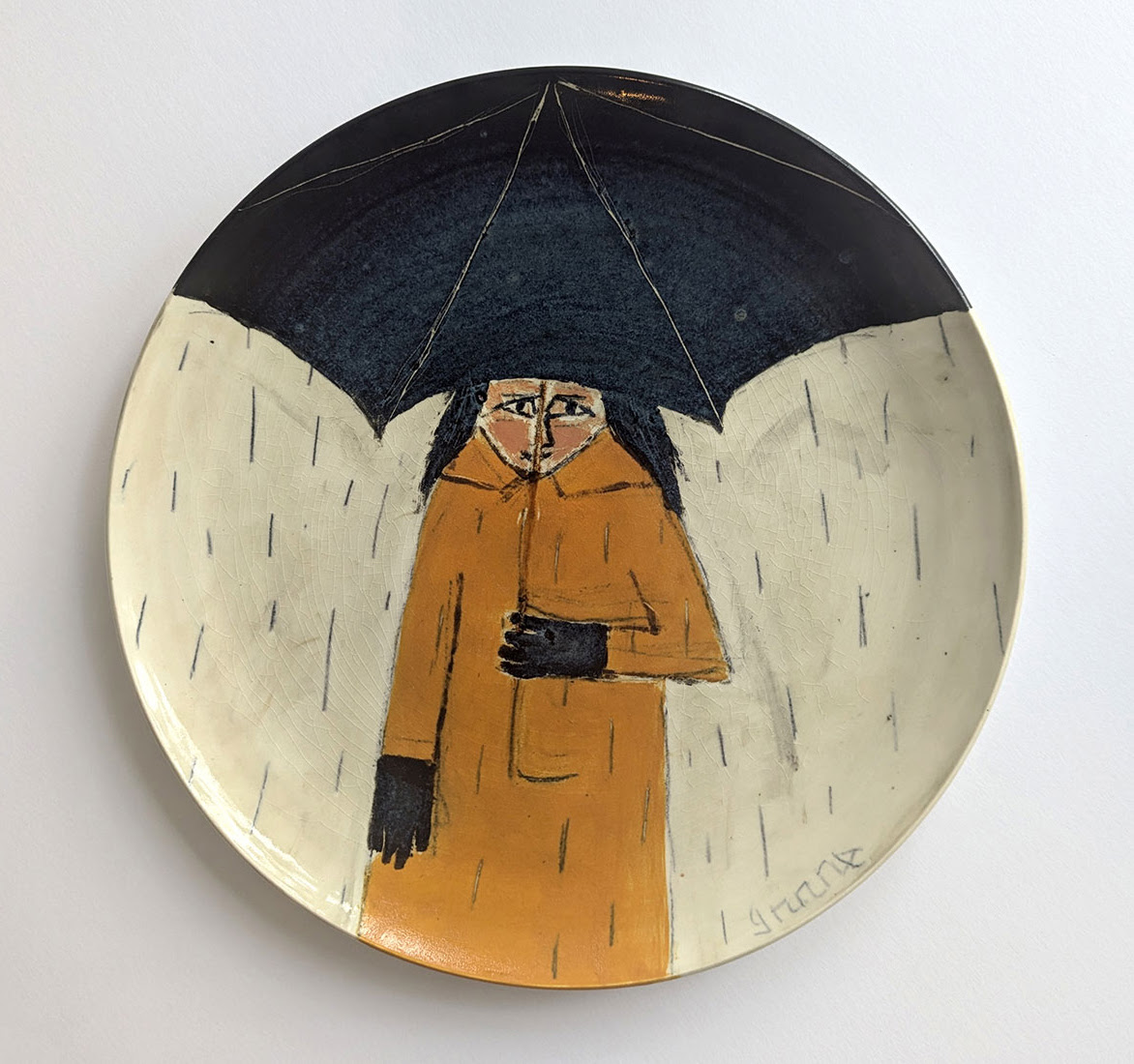
Courthouse Gallery Fine Art in Ellsworth is presenting “Form Meets Surface,” an exhibition highlighting porcelain ceramics by potter Mark Bell and collaborative works created with painter William Irvine. The artists, both established in their respective fields, have worked together since 2015 to create porcelain vases and plates that combine Bell’s ceramic forms with Irvine’s painted […]
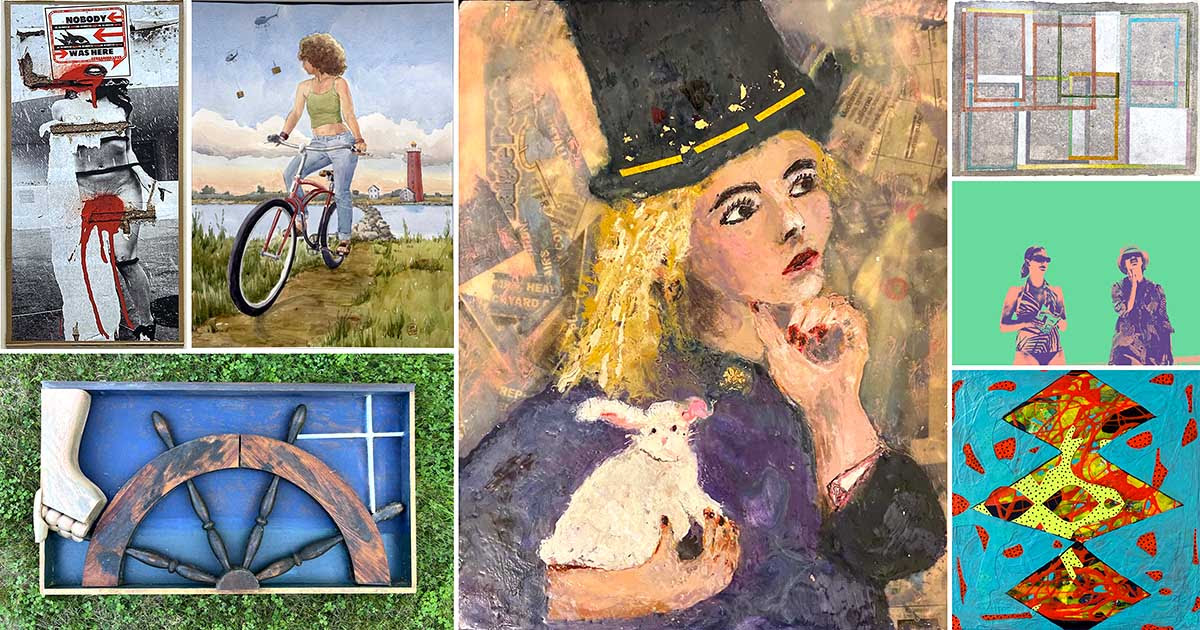
Barn Gallery in Ogunquit concluded its 2026 exhibition season Oct. 12, but the venue will continue to welcome visitors for two performances in the 19th annual Elizabeth Dunaway Burnham Piano Festival. Pianist, composer and vocalist Zahili Zamora will return to Ogunquit with her Afro Cuban Jazz Trio for a performance from 7:30 to 9:30 p.m. […]
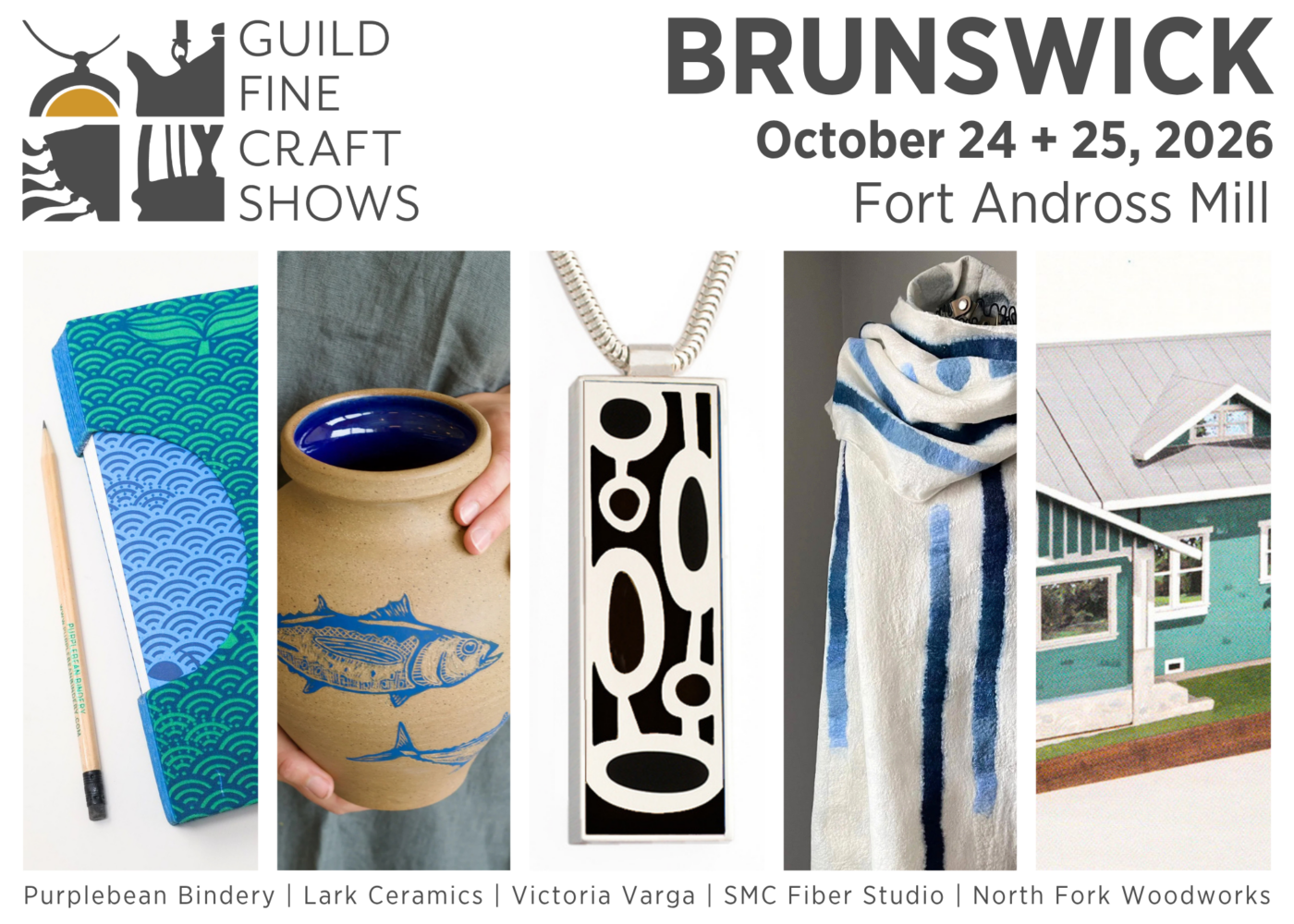
The Brunswick Guild Fine Craft Show will return to the historic Fort Andross Mill in Brunswick on Oct. 24 and 25, celebrating its 10th season with work by 40 juried Maine craft artists. Presented by Shop Maine Craft, the indoor show will feature basketry, ceramics, decorative and wearable fiber art, furniture, glass, jewelry, mixed media, […]

Receive news and information about Maine artists and events delivered right to your inbox.