by Carol L. Douglas
Occasionally, I’ll hear someone fumble for a description of a painting and come up with plein-air style. Plein air isn’t a style or technique; it simply means painting outdoors instead of in a studio. Plein air allows an artist to capture natural light and colors from direct observation, and it’s a very important movement in art history, starting with John Constable and still popular today.
What these people are groping for is the term alla prima. The confusion lies in the fact that most (although not all) plein-air painters also use alla prima technique.
What is alla prima?
Alla prima (also called au premier coup, wet-on-wet, or direct painting) is a technique where the artist applies paint directly onto the canvas without letting earlier layers dry. This contrasts with indirect painting, which I describe below.
Alla prima is used mostly in oil painting, but it has its equivalent in wet-on-wet watercolor. In alla prima painting, the artist strives for fast, incisive brushwork. It requires skill to avoid making mud, and the artist must work with confidence and speed.
Alla prima has been in use since the Early Netherlandish painters. It became popularized with the rise of Impressionism, but painters as disparate as Frans Hals, Claude Monet, Vincent van Gogh, John Singer Sargent, Chaïm Soutine and Willem de Kooning have all painted directly. Rembrandt van Rijn painted indirectly for the most part, but pointed up his work with alla prima passages.
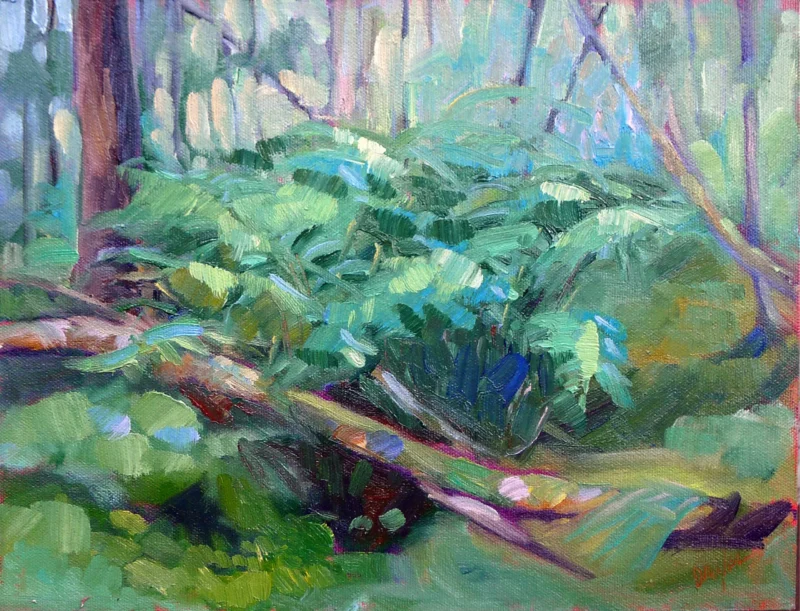
Alla prima paintings are not necessarily completed in one session, although the goal is to not let the bottom layers dry before adding more paint. There is minimal layering, and the focus is on capturing the essence of the subject with bold, confident strokes. It prioritizes expression and immediacy over meticulous detail.
This lends itself to a more expressive, loose style, with visible brushstrokes and a sense of movement. In fact, when people tell me their goal is to ‘get looser,’ what they generally mean is that they want to master alla prima painting.
Indirect painting
Before we had oil painting, we had egg tempera, encaustic, fresco and distemper, none of which lend themselves to bravura brushwork. It’s no surprise, then, that meticulous, detailed painting was the first form oil painting took. Just as tempera is layered, so was early oil painting.
In indirect painting, the artist builds up the image with transparent layers. Each layer dries completely before the next one is applied. Indirect painting allows for a high level of control and detail. Artists can build up subtle transitions of color and light, creating a realistic, highly polished finish. Indirect painting’s great virtue is that it creates luminosity that’s impossible to achieve with direct painting. That comes, however, at the expense of brilliant color and brushwork.
Indirect paintings start with a monochromatic underpainting or grisaille: While most direct painters do this as well, the grisaille in an indirect painting is intended to show through subsequent layers. This establishes the composition and tonal values retained throughout the piece.
This base layer is allowed to dry and is followed with diluted, transparent layers of paint (called glazes). These are applied over the underpainting to modify the color. Each glaze layer dries before the next is added. White is lousy for glazing, so in a well-painted indirect painting, the light is reflecting through the paint from the grisaille layer.
Indirect painting was widely used during the Renaissance and Baroque periods. (It’s the only way to achieve true chiaroscuro.) There are artists using it today, but they’re doing so almost self-consciously, as a throwback to earlier periods in painting history.
Back in the last millennium, I learned indirect painting first, alla prima second. (Rembrandt’s style was undergoing a miniature renaissance then.) Today, there are far more modern painters pursuing alla prima than indirect painting, but one isn’t inherently better than the other. In fact, with new materials solving the age-old problems of chroma and cracking, who knows if indirect painting is due for a rebirth?
Carol L. Douglas’ 2024 workshops
• Art and Adventure at Sea: Paint Aboard Schooner American Eagle, Sept. 15-19
• Immersive In-Person Workshop: Rockport, Oct. 7-11
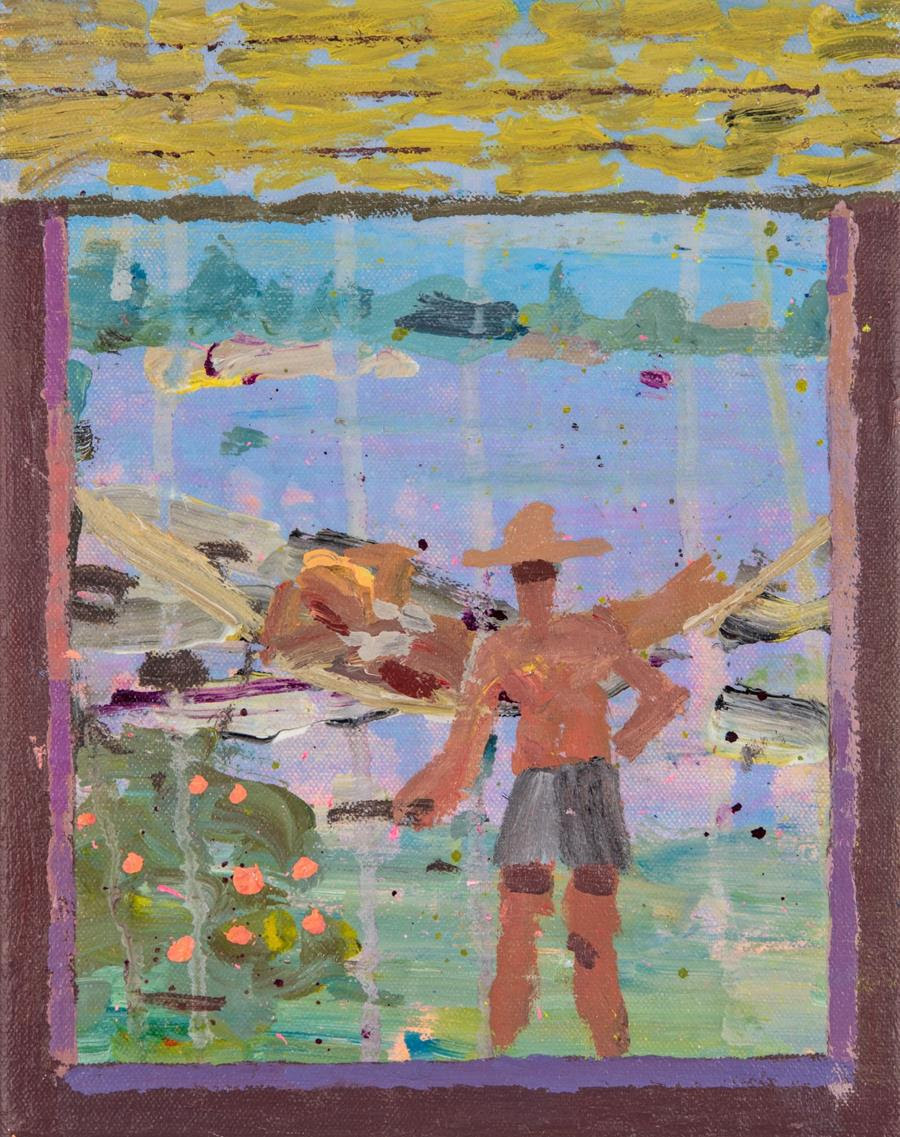
Dowling Walsh Gallery in Rockland is featuring “IDK,” an exhibition of paintings by Tollef Runquist that explores the intersection of personal reflection, archetypes, fantasy and play. Runquist’s paintings combine images and symbols drawn from lived experience, emotional landscapes and cultural influences, creating an intuitive dialogue between imagery and meaning. “My work explores a space where […]
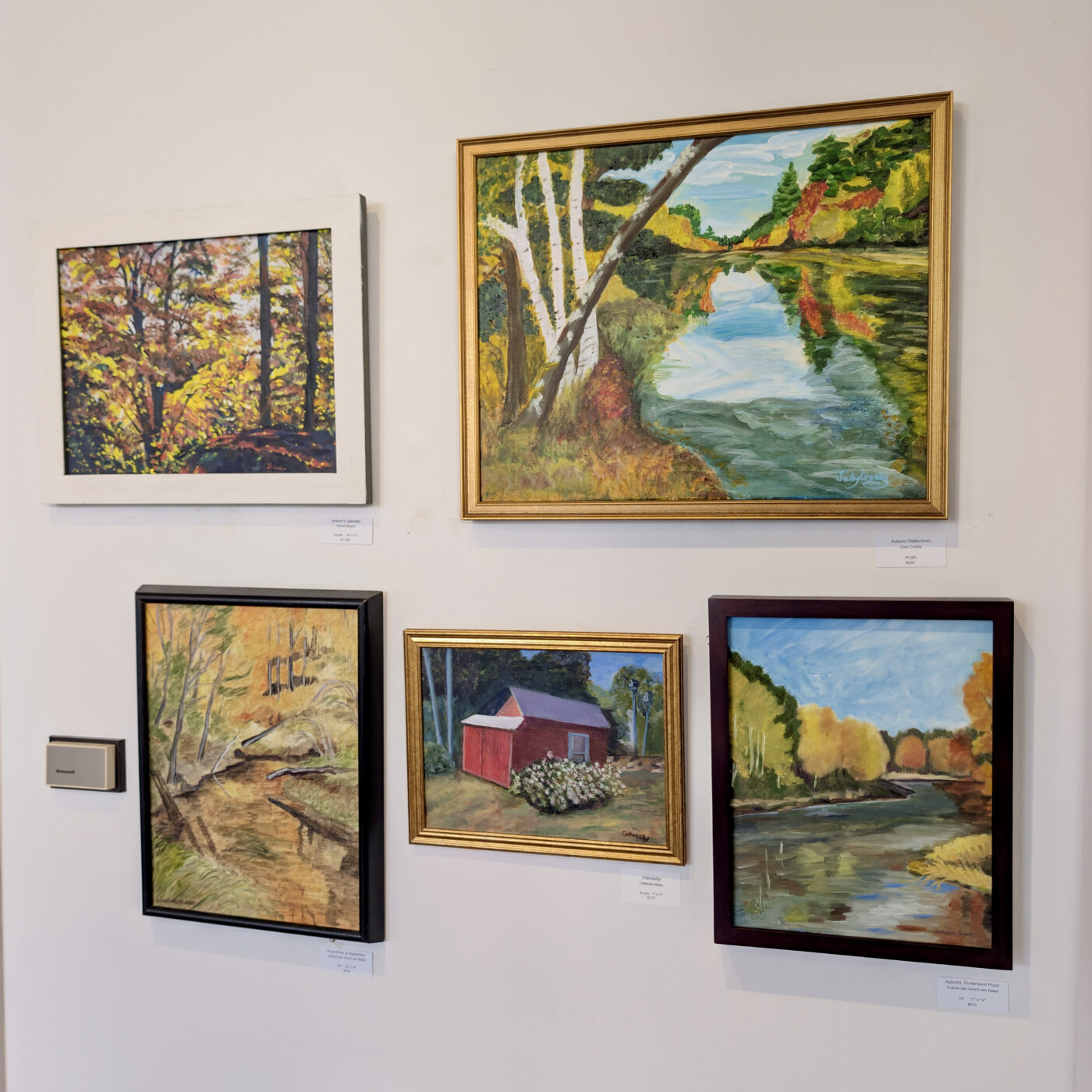
Meetinghouse Arts in Freeport is presenting a full schedule of fall exhibitions and performances, including a members show, a collaborative exhibition by longtime artist friends Tim Sample and Linda Rowell-Kelley and several concerts. The gallery’s fall members exhibition, “Nature’s Palette: Art Inspired by the Season,” will remain on view through Oct. 18. Featuring paintings, drawings, […]
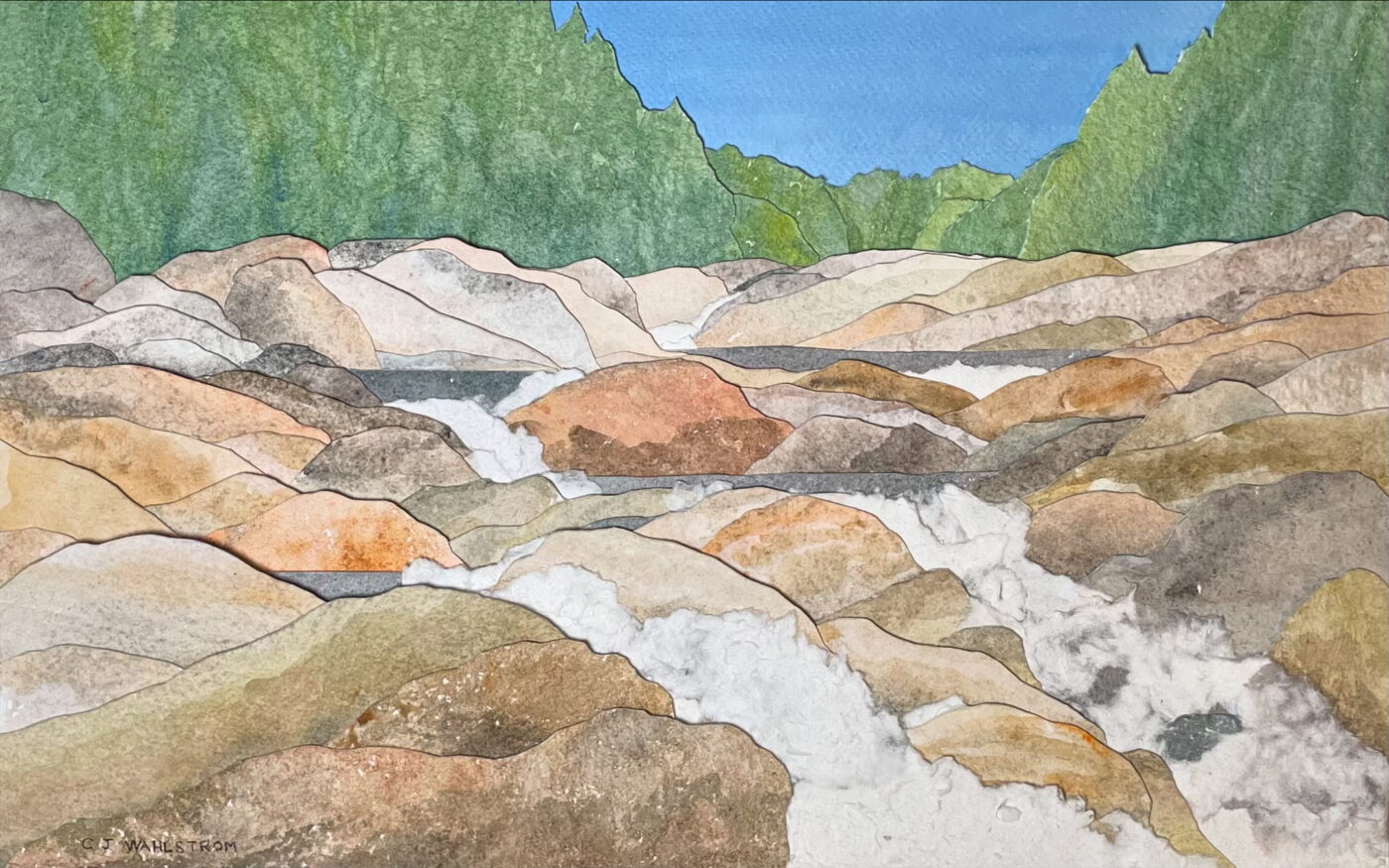
Local Color Gallery in Belfast will feature printmaker, collage artist and sculptor Jeff Wahlstrom from Oct. 19 to Nov. 22. An Art Walk reception will be held from 4 to 7 p.m. Oct. 23, with an artist talk at 5 p.m. Based in Bangor, Wahlstrom creates block prints and watercolor collages inspired by the natural […]
Women Eco Artists Dialog (WEAD), based in Berkeley, California, is accepting submissions for its 2027 members exhibition, “Prototyping Futures of Making: Water, Data, and Living Systems.” The exhibition will explore the relationships among water, data, ecological systems and emerging technologies, asking how artists can engage with living systems as sites of collaboration, construction and consequence. […]
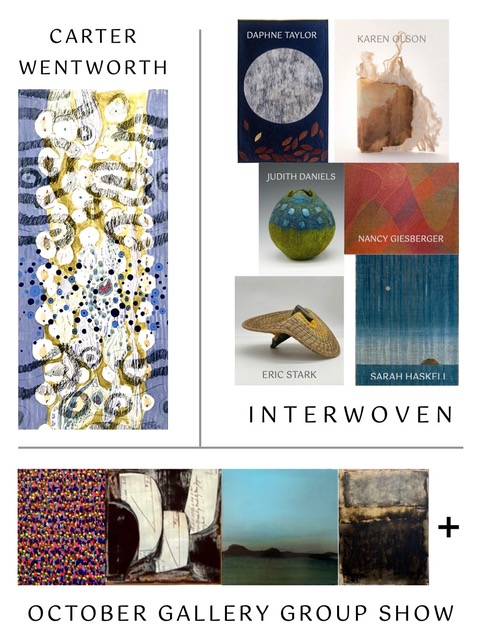
Triangle Gallery in Rockland is presenting three exhibitions through Oct. 31, including an extended solo exhibition by Carter Wentworth, a group fiber arts show and a fall exhibition of work by gallery artists. Wentworth’s “Sound of Rain Crossing the Lake” will remain on view in the upstairs gallery through the end of October. “Interwoven,” a […]
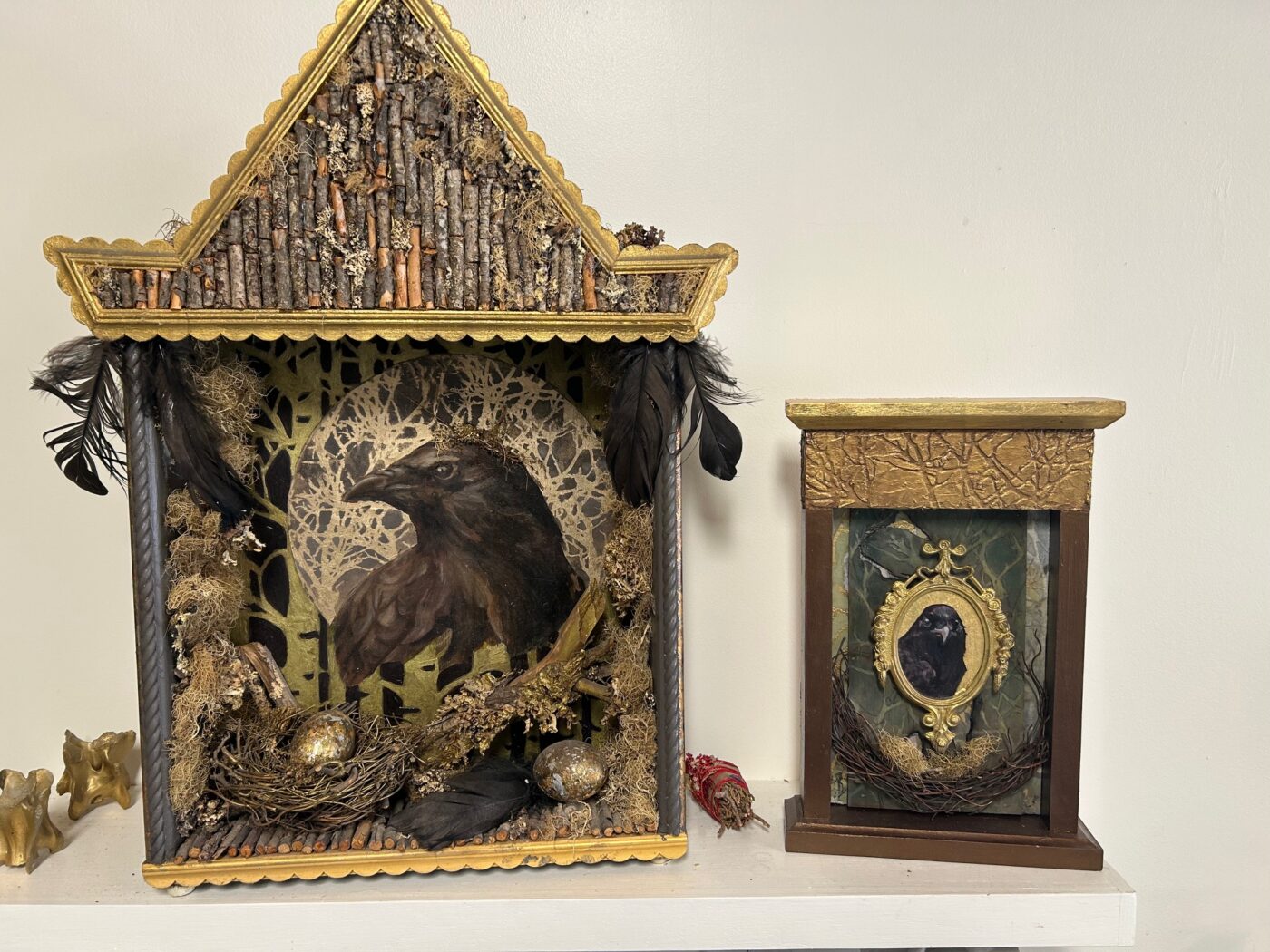
Waterfall Arts in Belfast will present “Found in Translation,” a mixed-media exhibition featuring Maine artists Deborah Jellison, JoAnne Houlsen and John LeBlanc, from Oct. 23 to Nov. 28. An opening reception will be held from 5 to 7 p.m. Oct. 23. The exhibition brings together three artist friends whose work explores familiar Maine landscapes, objects […]
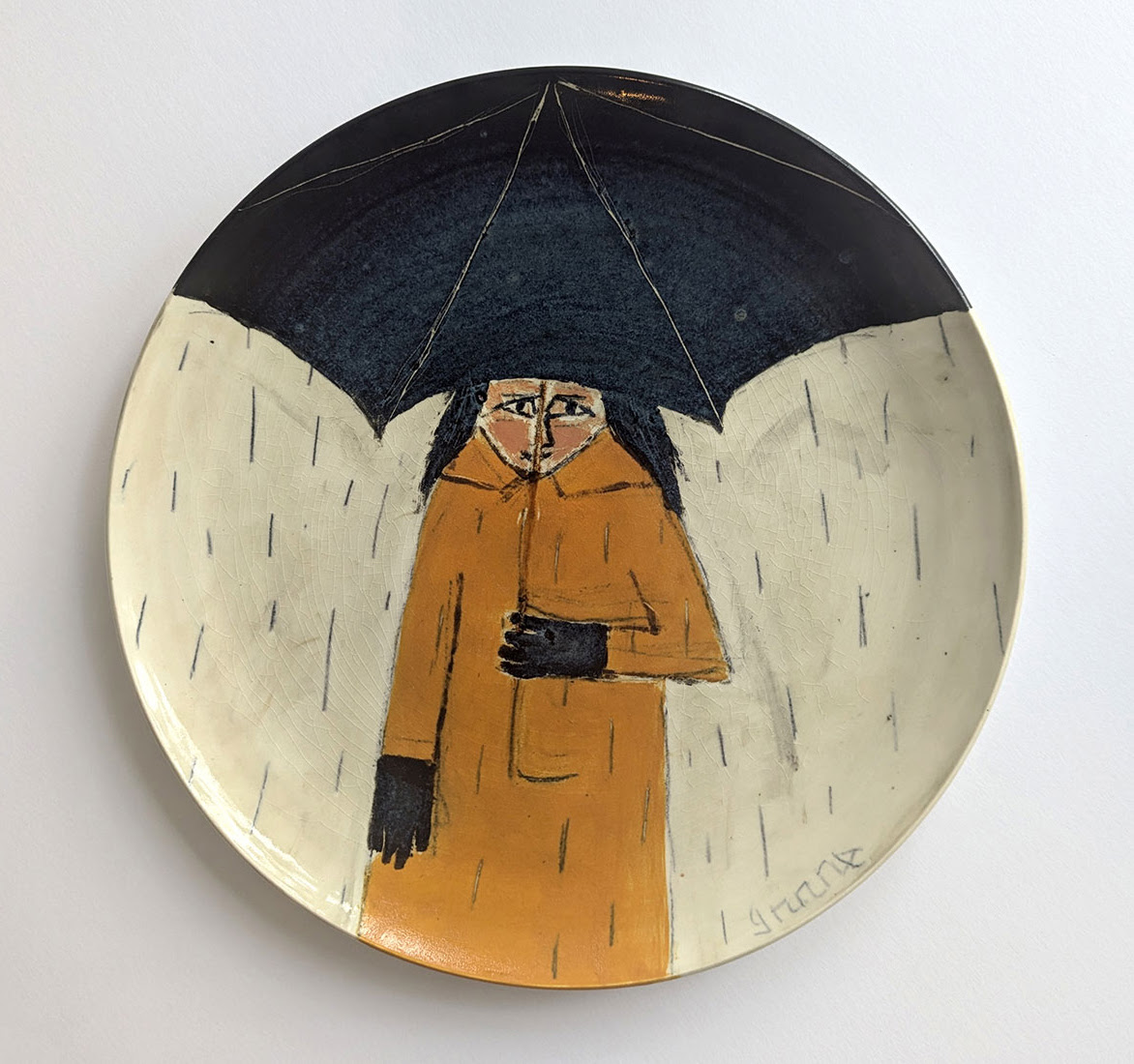
Courthouse Gallery Fine Art in Ellsworth is presenting “Form Meets Surface,” an exhibition highlighting porcelain ceramics by potter Mark Bell and collaborative works created with painter William Irvine. The artists, both established in their respective fields, have worked together since 2015 to create porcelain vases and plates that combine Bell’s ceramic forms with Irvine’s painted […]
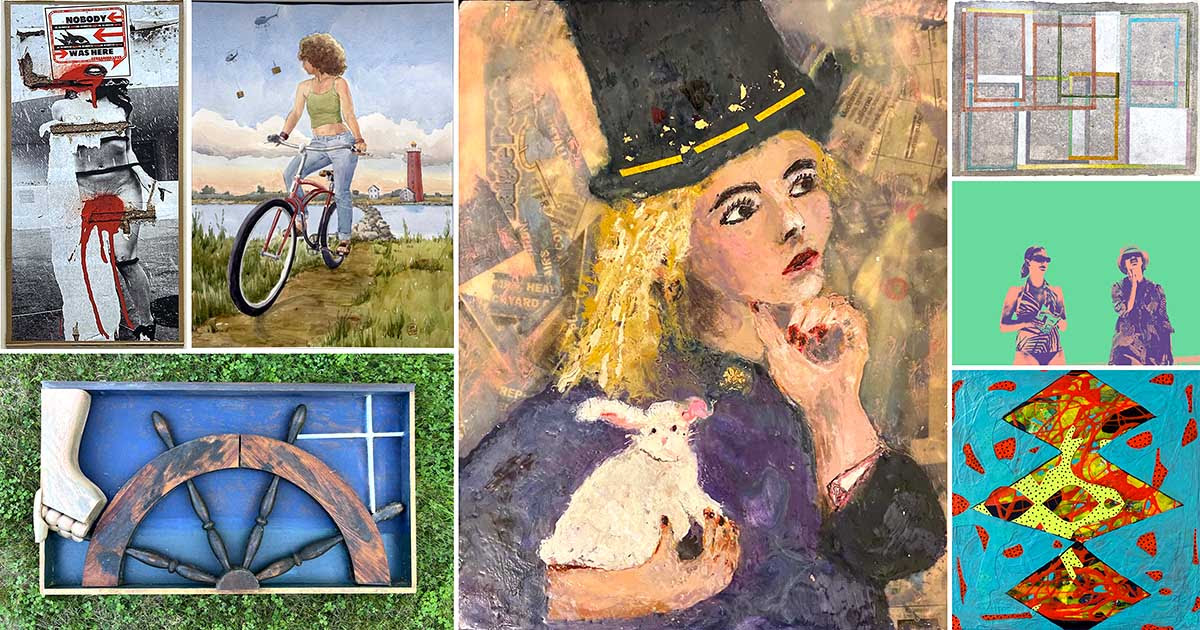
Barn Gallery in Ogunquit concluded its 2026 exhibition season Oct. 12, but the venue will continue to welcome visitors for two performances in the 19th annual Elizabeth Dunaway Burnham Piano Festival. Pianist, composer and vocalist Zahili Zamora will return to Ogunquit with her Afro Cuban Jazz Trio for a performance from 7:30 to 9:30 p.m. […]
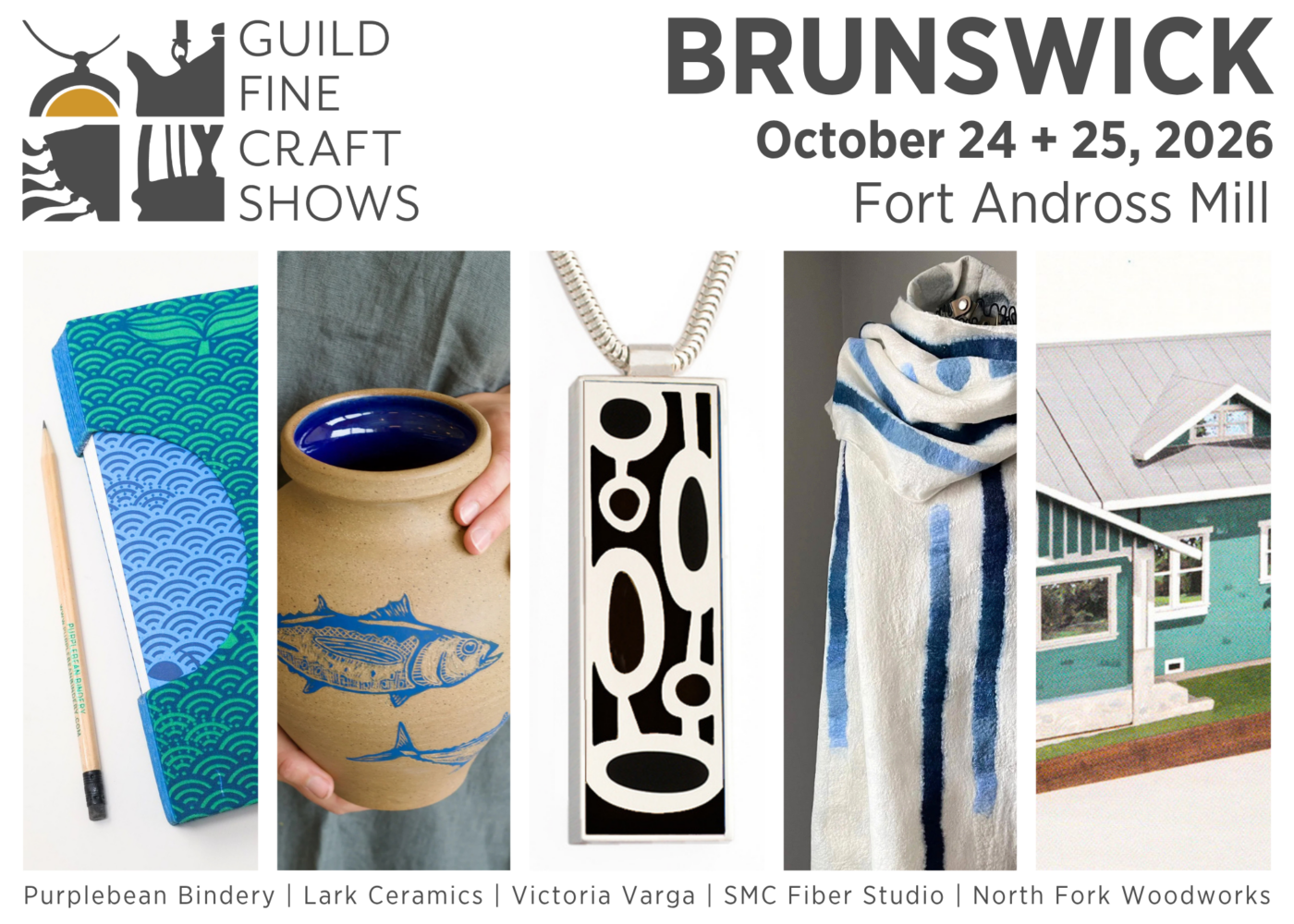
The Brunswick Guild Fine Craft Show will return to the historic Fort Andross Mill in Brunswick on Oct. 24 and 25, celebrating its 10th season with work by 40 juried Maine craft artists. Presented by Shop Maine Craft, the indoor show will feature basketry, ceramics, decorative and wearable fiber art, furniture, glass, jewelry, mixed media, […]

Receive news and information about Maine artists and events delivered right to your inbox.