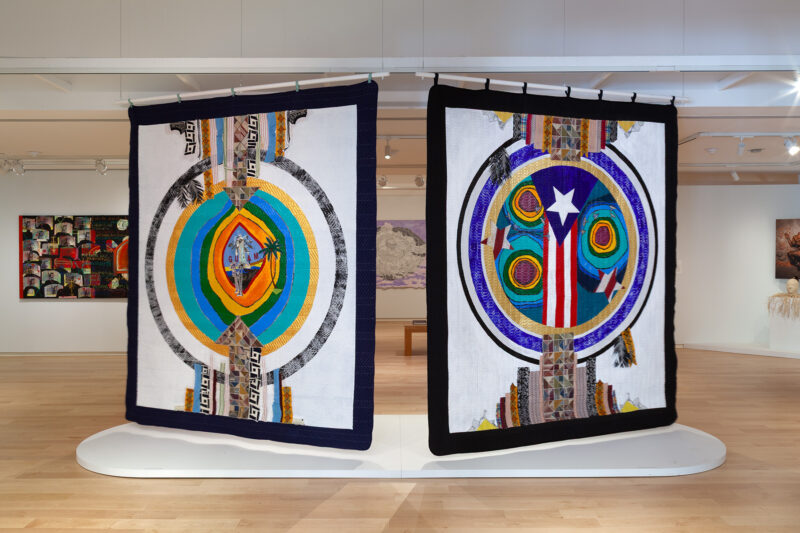
‘Imagining an Archipelago’ features six newly commissioned works and includes contributions by more than 40 artists connected to Cuba, Guam, the Philippines and Puerto Rico
Waterville, Maine — Contemporary art brings together histories separated by oceans and generations in “Imagining an Archipelago: Art from Cuba, Guam, the Philippines, Puerto Rico, and Their Diasporas.” The exhibition, on view now through June 6, 2027 at the Colby College Museum of Art, includes approximately 50 sculptures, paintings, photographs and immersive video and multimedia installations, including six newly commissioned works. Each of the more than 40 artists featured have connections to the island communities of Cuba, Guam, the Philippines and Puerto Rico and use their artistic practice to consider the complexity of the American experience.
“Imagining an Archipelago” is the first major exhibition to use contemporary art to examine the impact of extending Manifest Destiny beyond North America. Challenging the common perception of the United States as a purely continental nation, the exhibition of approximately 50 works centers islands that came under U.S. control following the Treaty of Paris (1898) — and in the cases of Puerto Rico and Guam, remain so today.
A fully illustrated publication includes scholarly essays from the fields of art history and education that document and expand on the exhibition’s themes along with a timeline and transcripts of artist discussions translated and published in English, Spanish, Filipino and CHamoru. The book serves as a lasting teaching resource that lives beyond the exhibition’s tour.
“‘Imagining an Archipelago’ offers a poetic response to the histories and power structures that continue to shape our world,” said Jacqueline Terrassa, the Carolyn Muzzy director of the Colby College Museum of Art. “Whether subverting or reimagining the traditional narratives that have dominated each of their communities, the artists invite us to see archipelagos not as isolated islands, but as networks of connection.”
The exhibition’s themes include Food; Land, Sea and Sky; Religion and Spirituality; and Military Occupations, along with a major section organized geographically to highlight the uniqueness of each island. Concepts of cultural and political self-determination, indigeneity, migration, climate crisis and resilience unite the exhibition.
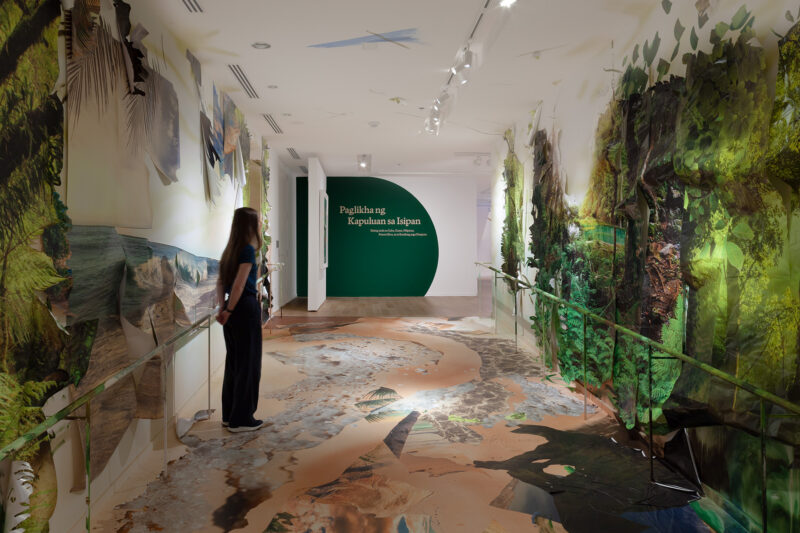
Several newly commissioned works are featured in the presentation, including projected text by Jerome Reyes, ceramics by Sara Jimenez, Mariquita “Micki” Davis’ large-scale cyanotype on canvas and Isa Gagarin’s painting on fused plastic. Camille Hoffman’s site-specific installation blends art and architecture into an immersive environment. Hoffman painted directly on the walls and floor and affixed found objects throughout a transitional corridor, linking the American art collection in the museum’s Lunder Wing to “Imagining an Archipelago.”
Many works in “Imagining an Archipelago” explore how history is constructed, remembered and interpreted. Stephanie Syjuco reworks archival photographs of Filipinos displayed at the 1904 St. Louis World’s Fair in the “Afterimages” series (2021). By folding and crumpling their reproductions before translating them into photogravures, she underscores the staged and fabricated nature of the originals. Gamaliel Rodriguez’s 2022 mixed-media work “Correctional Faith” centers a church that was part of Puerto Rico’s Cárcel Correccional de Menores de Cabo Rojo, a juvenile correctional prison that operated from 1908-2013. Today, the site has been transformed into a public recreation space, where traces of its past persist alongside new uses. Using acrylic, ink and gold leaf on paper, Rodriguez captures the emotional complexity between decay, memory and the legacies of colonial infrastructure.
In the photograph “Tai Ulu” (2021), Roquin-Jon Quichocho Siongco reflects on how CHamoru ancestors dealt with death, including the practice of preserving and venerating skulls, represented by the artist’s own headless nude body surrounded by culturally significant materials from the Mariana Islands. Cuban-born abstract painter Zilia Sánchez merges human, terrestrial and celestial forms in her 1975 painting “Lunar negro con tatuaje.” The composition evokes an ambiguity that could be perceived as constellations, ocean currents or bodily markings.
The exhibition was formed in close collaboration with artists through two Islands Project Convenings in 2022 and 2024, both held in Waterville, Maine and on Allen Island, part of Colby College’s Island Campus in Muscongus Bay. Shared meals at the gatherings inspired the inclusion of food as an exhibition theme, prompted through discussions about shared culinary traditions, food sovereignty and the impact of colonization on island agriculture. A video by Judith Escalona included in the exhibition documents the 2024 Islands Project Convening.
“From the beginning, the ‘Imagining an Archipelago’ project sought to center artists and invite them to shape the development of the exhibition,” said Jessamine Batario, the Linde Family Foundation curator of academic engagement at the Colby Museum. “The conceptual premise of an imagined archipelago guides creative connections between islands geographically located in different oceans and separated by thousands of miles. By juxtaposing a diversity of perspectives within a complex network of shared legacies, the exhibition visualizes a solidarity strengthened by difference.”
As the Colby College Museum of Art developed the exhibition, several relevant artworks entered the collection starting in 2023, including Gamaliel Rodríguez’s “Correctional Faith,” Juan Sánchez’s “Aquí no hay luz,” Stephanie Syjuco’s “Afterimages” series, Enzo Camacho and Ami Lien’s “Social Volcano (restless waves)” and María Magdalena Campos-Pons’ “Freedom Trap.” Zilia Sánchez’s “Lunar negro con tatuaje (Black Moon with Tattoo),” which was already in the Colby Museum’s collection, serves as an artistic and conceptual anchor of the exhibition.
“Confronting and carrying histories of colonization can feel like a heavy burden. Yet so many of the inspiring artworks also convey a sense of lightness, through delicate materials or modes of installation,” said Batario. “Through this exhibition, I hope artists and viewers alike find opportunities for learning, healing and celebration.”
The exhibition publication includes contributions from Jessamine Batario, Lian Ladia, Alexandra Méndez, Craig Santos Perez, Stephanie Syjuco, Jacqueline Terrassa, Marina Tyquiengco with Fran Nededog Lujan, Adriana Zavala and Phoebe Zipper, with creative direction from Megan Carey, the Barbara Alfond director of exhibitions and publications. The historical timeline by Jan Maghinay Padios is presented like geological strata throughout the book, providing additional context about significant events and movements across Cuba, Guam, the Philippines and Puerto Rico through phases of colonialism, development, resistance and globalization. The book was designed by Kimberly Varella at Content Object, with help from Gabrielle Pulgar and is co-published and distributed domestically and internationally by DelMonico Books/D.A.P.
Following its debut at the Colby College Museum of Art, “Imagining an Archipelago” will embark on a national tour, including showings at the Museo de Arte Contemporáneo de Puerto Rico in San Juan, Puerto Rico (Aug. 20 2027-Feb. 6, 2028), a presentation made possible by a generous grant from the Mellon Foundation; the Yerba Buena Center for the Arts in San Francisco (March 17-Aug. 13, 2028); and the Newark Museum of Art in New Jersey (Sept. 28, 2028-Feb. 18, 2029).
Support for this exhibition and its national tour is provided by the Andrew W. Mellon Foundation, Teiger Foundation, Terra Foundation for American Art and Andy Warhol Foundation for the Visual Arts.
Related Programming Highlights:
Community Day
July 25, 10 a.m.-3 p.m., Colby Museum
Free for all ages, Colby Museum’s Community Day brings local partner organizations, businesses, community groups and artists together on campus for an afternoon of art making, storytelling, performance, outdoor games and more. This year, we celebrate the exhibition “Imagining an Archipelago: Art from Cuba, Guam, the Philippines, Puerto Rico, and Their Diasporas” with Puerto Rican music from Bomba de Aqui, art-making with exhibition artist Thea Canlas, interactive activities with 18 community partners, food trucks and story time for families in the exhibition. Community Day is generously supported by the Fullgraf Foundation.
“MATAO [in process]” by Gi Matan Guma’
Sept. 17, 7 p.m., Gordon Center for the Performing Arts
Presented and performed by the Matao-CHamoru collective Gi Matan Guma’, “MATAO [in process]” is a ritual activation remembering ancestral wisdom to chart a new path toward freedom and liberation. By remembering ancestors who sailed beyond the horizon of human imagination, Gi Matan Guma’ gathers the courage and creativity to face the seemingly impossible challenges of the climate crisis, deep sea mining and militarism.
Gi Matan Guma’ is a house for advancing CHamoru community development through learning, exploring and innovating fino’ håya, pengnga’ and multi-disciplinary creative research. Artistic Director Dakota Camacho is a Matao/CHamoru artist born and raised in Coast Salish Territory who creates indigenizing processes by weaving languages of altar-making, movement, film, music and prayer. Camacho has presented yo’ña (their) work on five continents and throughout Oceania.
You’re Speaking My Language: Spanish and Filipino
Nov. 12, 5-6 p.m., Colby Museum
Join speakers of Spanish and Filipino for refreshments and conversation in the museum’s special exhibitions, “Imagining an Archipelago: Art from Cuba, Guam, the Philippines, Puerto Rico, and Their Diasporas” and “The Sun Never Sets: Photographs and Prints of Cuba, the Philippines, and Puerto Rico from the Hispanic Society Museum and Library.” All levels welcome! This event is co-sponsored by the Colby College Spanish Department.
Frame by Frame: Filipino Avant-Garde Films
April 1, 2027, 6 p.m., Maine Film Center
Join us for a free screening of the rarely-screened film “On the Way to India Consciousness, I
Reached China” (1968, 37min.) by Henry Francia, a post-war self-portrait and visual incantation of a Filipino artist who relocates to New York City far away from his homeland in the 1960s. Bending the possibilities of narrative form, the film explores the formation of creative identity amidst a bustling era of the city’s experimental interventions. This early work stands as a testament to the distinct language of Filipino avant-garde filmmaking through its intersections of exile, migration and the personal pursuit of artistic catharsis. The film is preceded by Roxlee’s “Juan Gapang” (Johnny Crawl), a 1987 short film work of a masked figure crawling the streets of Manila released in the year following the country’s historic People Power Revolution.
The program will be introduced by Patricia Ledesma Villon, assistant curator of Moving Image at the Walker Art Center, Minneapolis.
First Friday Film Lounge
April 2, 2027, 5 p.m.-7 p.m., Greene Block + Studios
Celebrate pioneering film artists with free food, music and relaxed screenings of early Filipino avant-garde experimental films curated by Patricia Ledesma Villon, assistant curator of Moving Image at the Walker Art Center, Minneapolis.
Music in the Museum: Joel LaRue Smith
April 16, 2027, 12-1 p.m., Colby Museum
Pianist-composer Joel LaRue Smith presents an exciting solo jazz piano concert featuring music from his new 2026 two-volume release, *Sketches and Portraits*. Smith’s stunning artistry seamlessly blends stride, Afro-Latin montuno, gospel, funk and bebop into an evocative musical tapestry. The repertoire spans film music, jazz standards, Afro-Latin classics, American Songbook favorites and original compositions including “Renaissance,” ”Sin Miedo,” and “September’s Child.”
For a complete list of programs, visit museum.colby.edu.
###
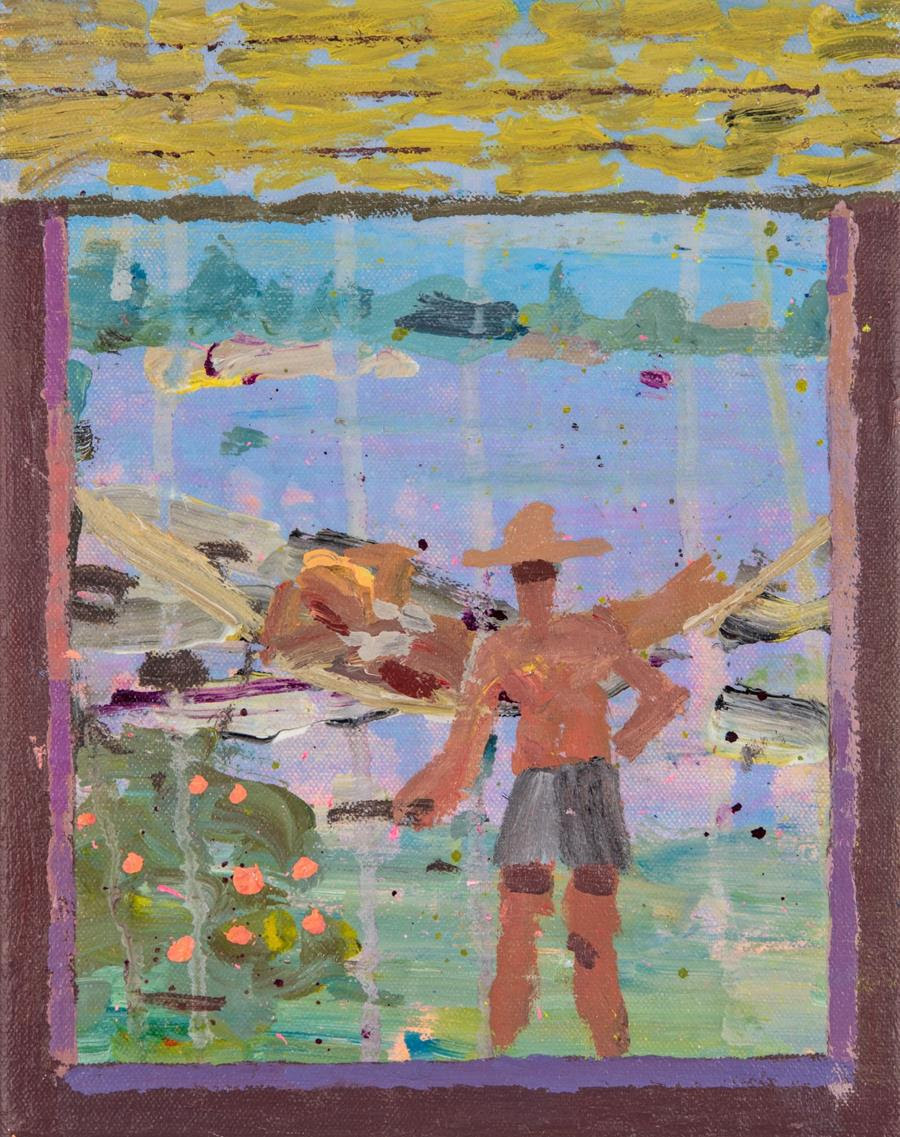
Dowling Walsh Gallery in Rockland is featuring “IDK,” an exhibition of paintings by Tollef Runquist that explores the intersection of personal reflection, archetypes, fantasy and play. Runquist’s paintings combine images and symbols drawn from lived experience, emotional landscapes and cultural influences, creating an intuitive dialogue between imagery and meaning. “My work explores a space where […]
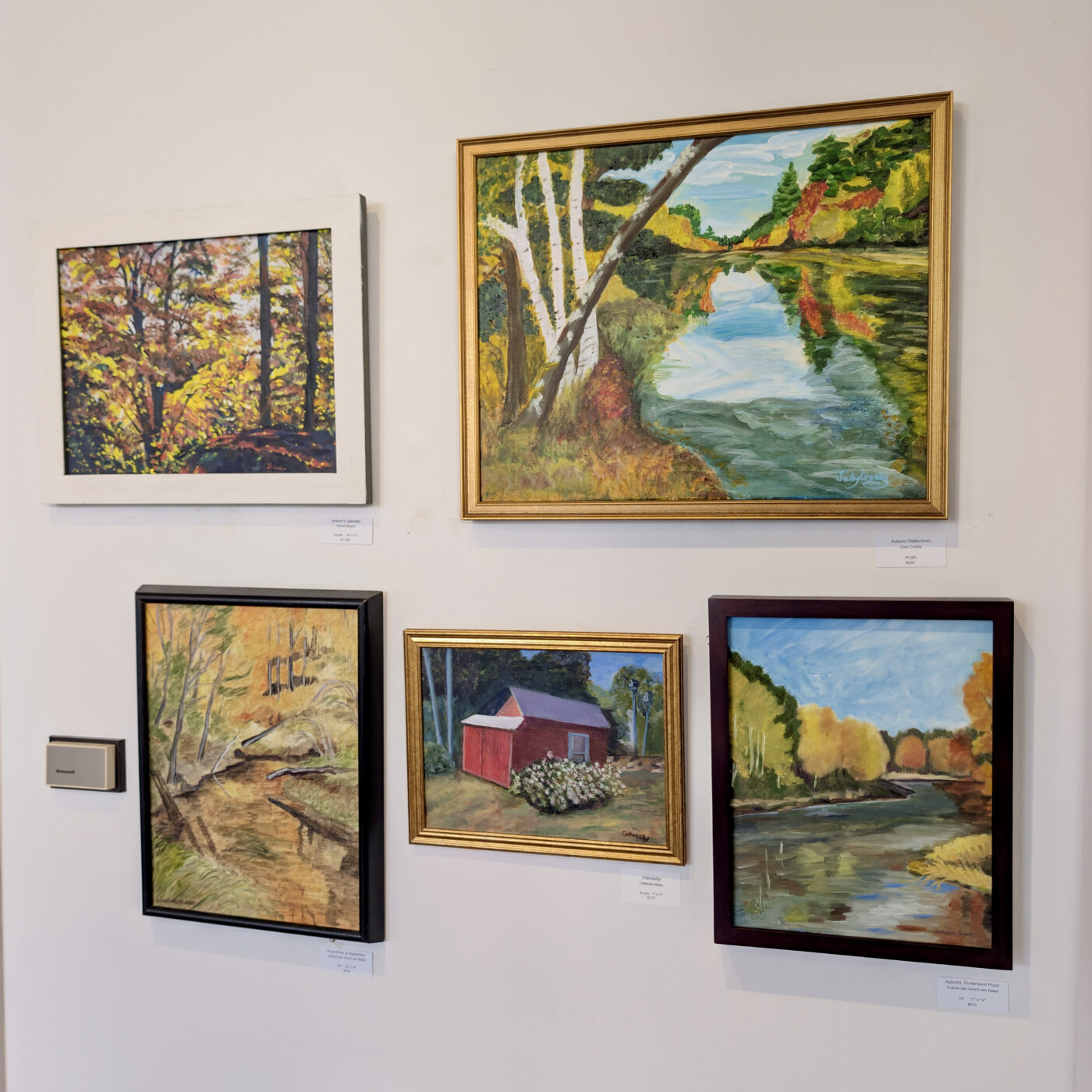
Meetinghouse Arts in Freeport is presenting a full schedule of fall exhibitions and performances, including a members show, a collaborative exhibition by longtime artist friends Tim Sample and Linda Rowell-Kelley and several concerts. The gallery’s fall members exhibition, “Nature’s Palette: Art Inspired by the Season,” will remain on view through Oct. 18. Featuring paintings, drawings, […]
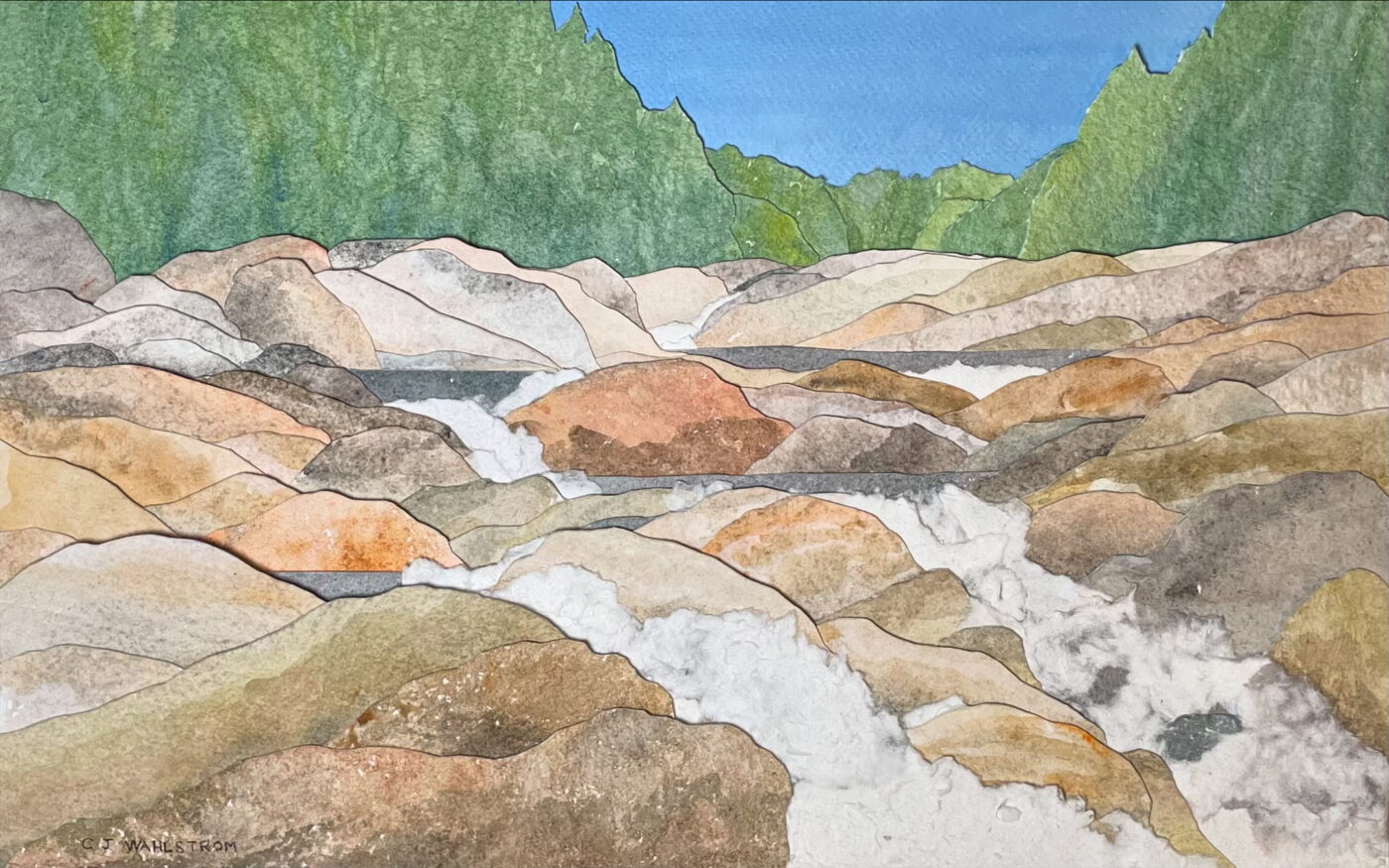
Local Color Gallery in Belfast will feature printmaker, collage artist and sculptor Jeff Wahlstrom from Oct. 19 to Nov. 22. An Art Walk reception will be held from 4 to 7 p.m. Oct. 23, with an artist talk at 5 p.m. Based in Bangor, Wahlstrom creates block prints and watercolor collages inspired by the natural […]
Women Eco Artists Dialog (WEAD), based in Berkeley, California, is accepting submissions for its 2027 members exhibition, “Prototyping Futures of Making: Water, Data, and Living Systems.” The exhibition will explore the relationships among water, data, ecological systems and emerging technologies, asking how artists can engage with living systems as sites of collaboration, construction and consequence. […]
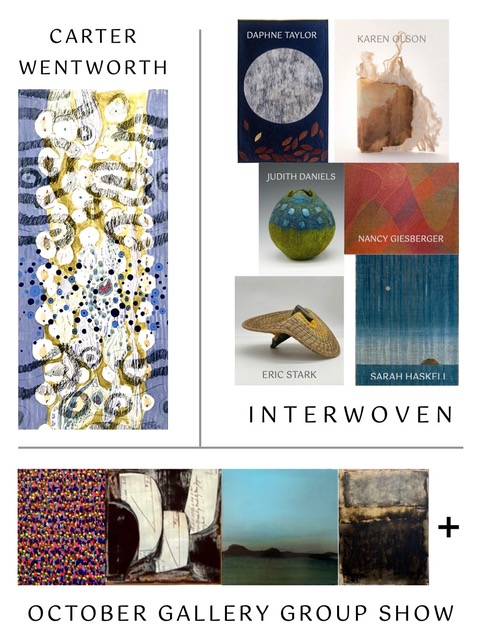
Triangle Gallery in Rockland is presenting three exhibitions through Oct. 31, including an extended solo exhibition by Carter Wentworth, a group fiber arts show and a fall exhibition of work by gallery artists. Wentworth’s “Sound of Rain Crossing the Lake” will remain on view in the upstairs gallery through the end of October. “Interwoven,” a […]
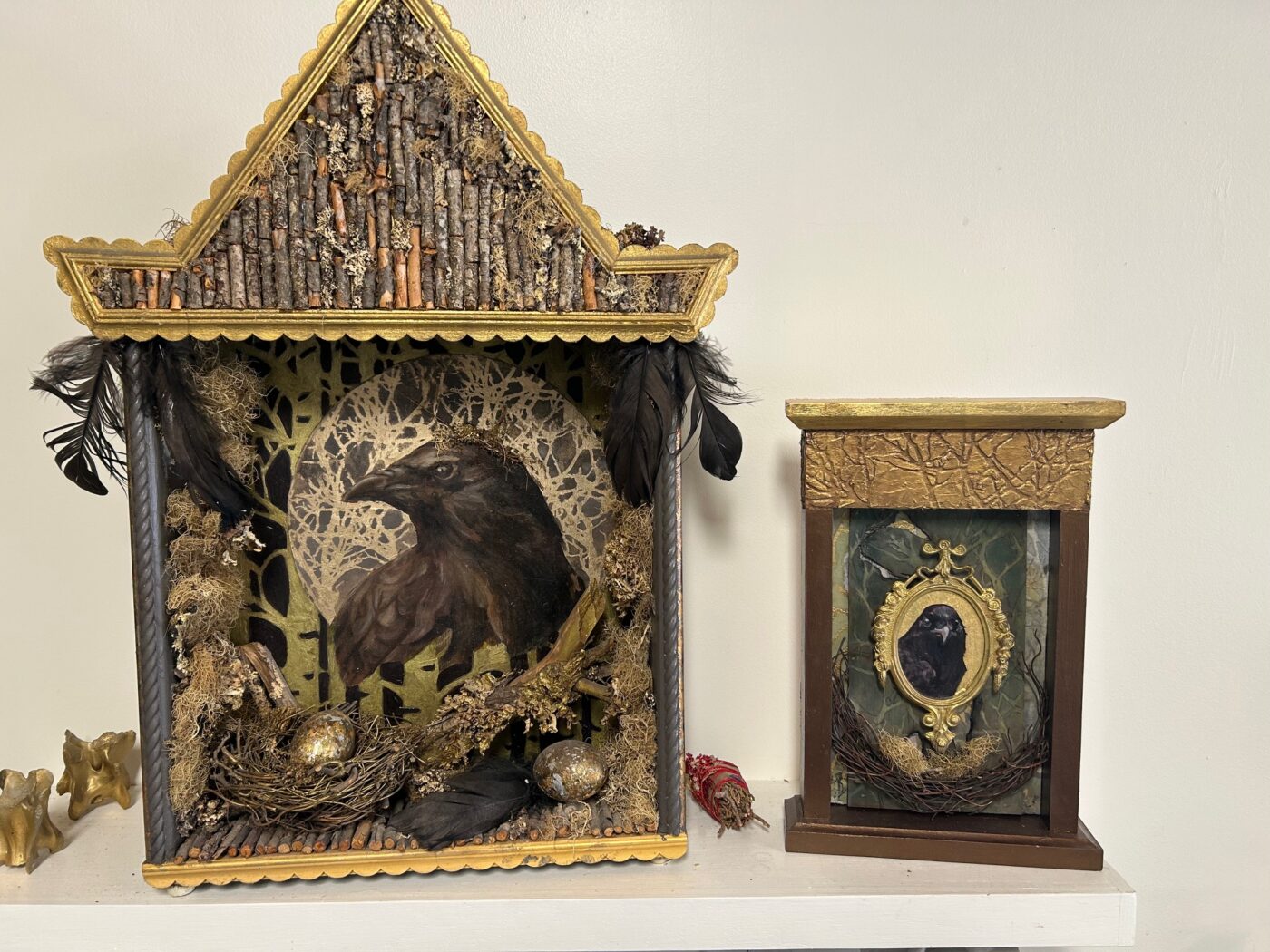
Waterfall Arts in Belfast will present “Found in Translation,” a mixed-media exhibition featuring Maine artists Deborah Jellison, JoAnne Houlsen and John LeBlanc, from Oct. 23 to Nov. 28. An opening reception will be held from 5 to 7 p.m. Oct. 23. The exhibition brings together three artist friends whose work explores familiar Maine landscapes, objects […]
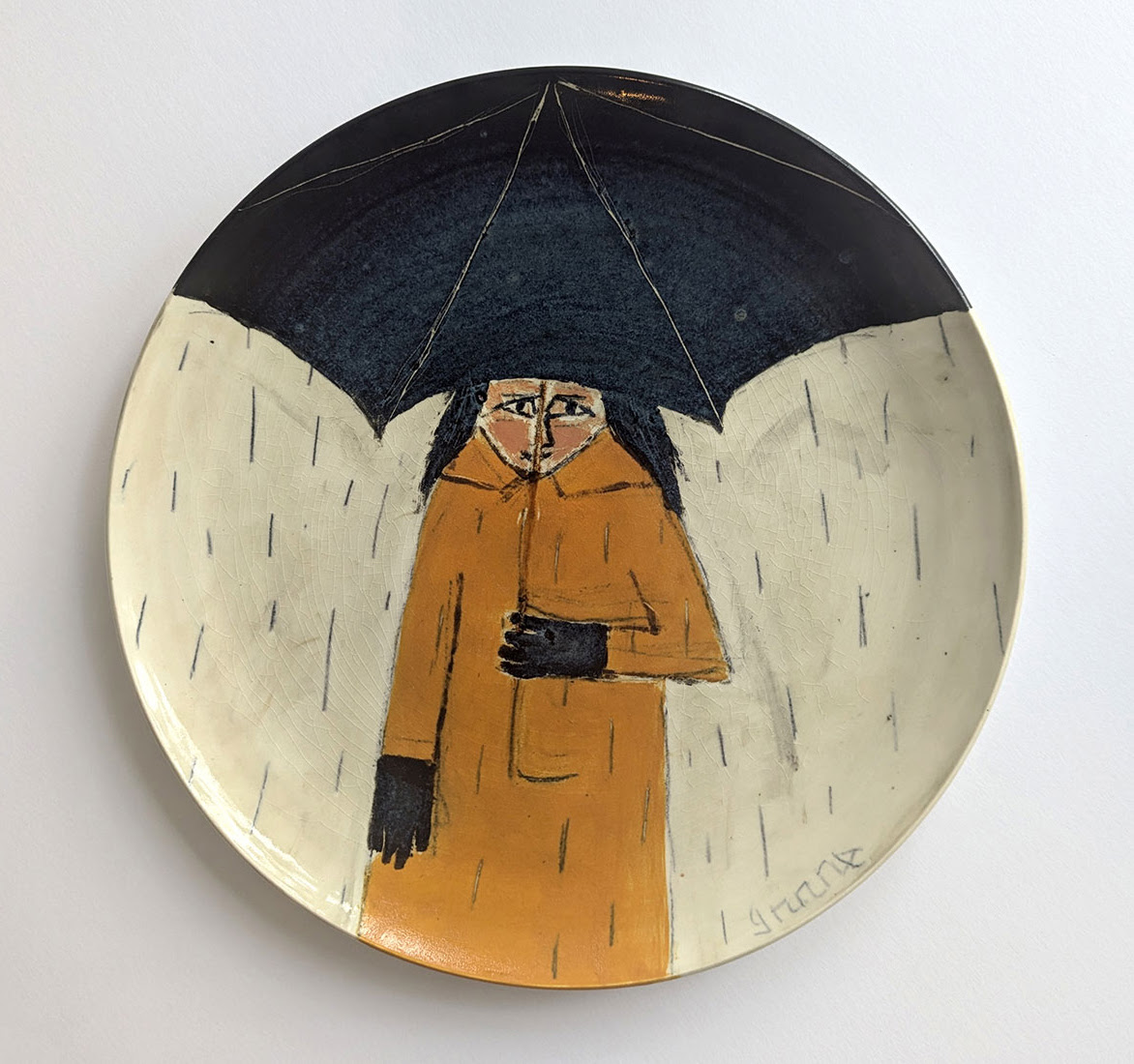
Courthouse Gallery Fine Art in Ellsworth is presenting “Form Meets Surface,” an exhibition highlighting porcelain ceramics by potter Mark Bell and collaborative works created with painter William Irvine. The artists, both established in their respective fields, have worked together since 2015 to create porcelain vases and plates that combine Bell’s ceramic forms with Irvine’s painted […]
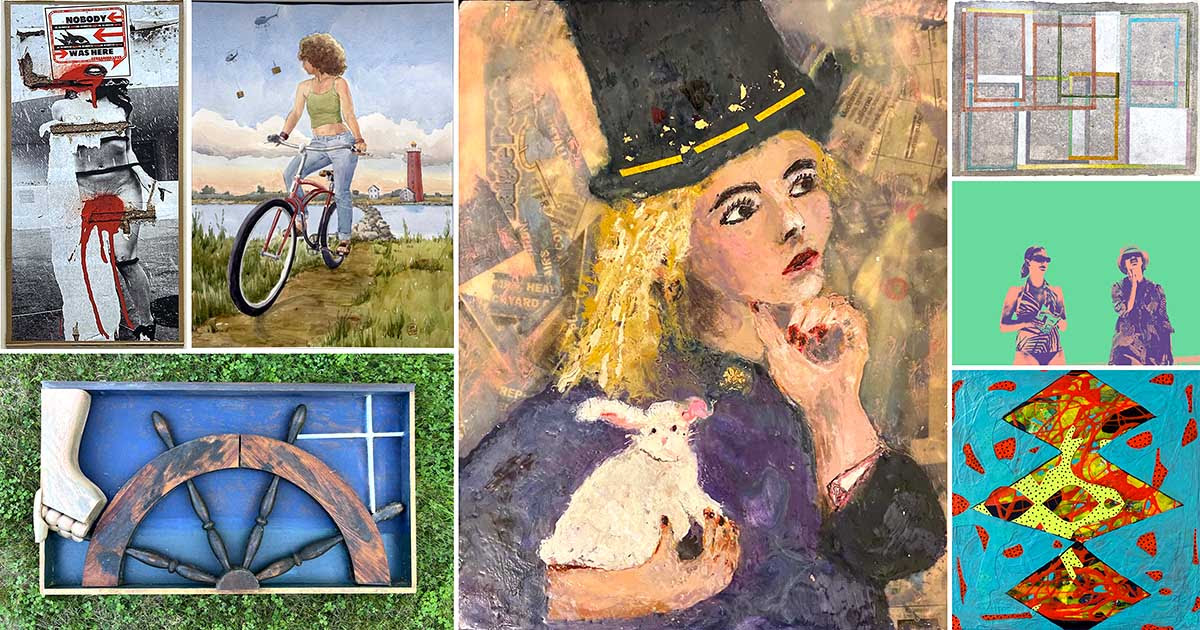
Barn Gallery in Ogunquit concluded its 2026 exhibition season Oct. 12, but the venue will continue to welcome visitors for two performances in the 19th annual Elizabeth Dunaway Burnham Piano Festival. Pianist, composer and vocalist Zahili Zamora will return to Ogunquit with her Afro Cuban Jazz Trio for a performance from 7:30 to 9:30 p.m. […]
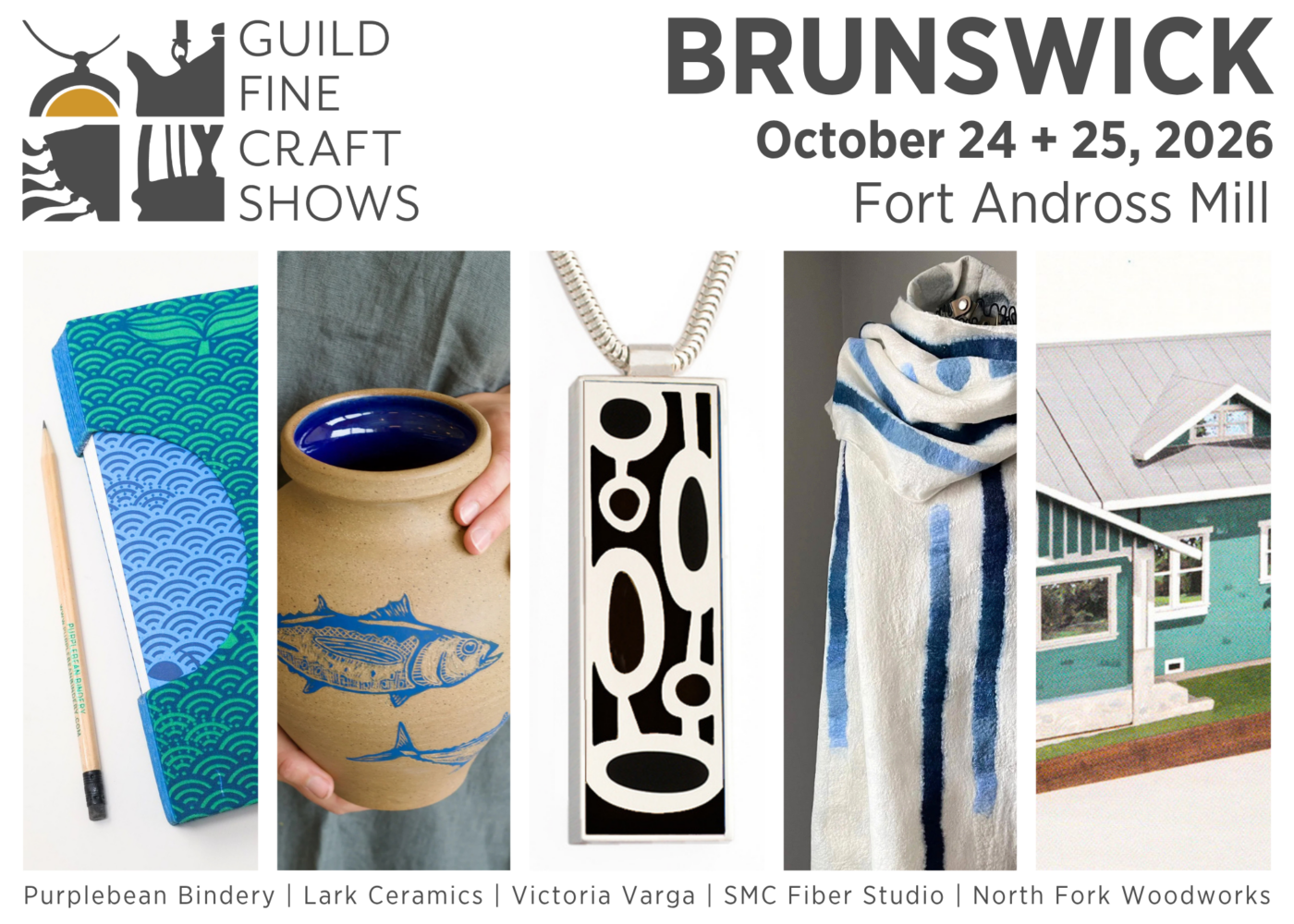
The Brunswick Guild Fine Craft Show will return to the historic Fort Andross Mill in Brunswick on Oct. 24 and 25, celebrating its 10th season with work by 40 juried Maine craft artists. Presented by Shop Maine Craft, the indoor show will feature basketry, ceramics, decorative and wearable fiber art, furniture, glass, jewelry, mixed media, […]

Receive news and information about Maine artists and events delivered right to your inbox.